

 The VIRSVB accredited the intruder proof method for a reason
52. HOW TO HELP BEEKEEPERS IN CONTROLLING VARROA?
Educational pamphlet
There are several ways to provide beekeepers with concise, clear information and guidance on specific topics, such as varroa disease. We have prepared an educational pamphlet, the VARROOSA brochure, for this very purpose, which should be useful to them.
*We are proud to present an educational pamphlet translated and adapted into Serbian, which aims to provide beekeepers with verified information and improve their practices in protecting the bee community from the most important pest - the parasitic mite, Varroa destructor. Како би се осигурао квалитет и поузданост информација за израду овог материјала ангажоване су две престижне европске лабораторије, Friedrich–Loeffler–Institut i French Agency for Food, Environmental and Occupational Health & Safety (ANSES) which is also the European Union reference laboratory for Bee Health. With the hope that beekeepers and veterinarians, who already possess significant knowledge on Varroa control, will adopt new practices and improve existing methods, we would like to express our sincere gratitude to everyone who will help in the distribution and communication of the pamphlet. We are sure that it will be useful for beekeepers in all parts of our country.
PDF pamphlet format you can find here as well as at the reference laboratory link: https://sitesv2.anses.fr/en/minisite/abeilles/leaflet-varroosis-beekeepers
Violeta Santrac 04.04. 2023
51. HOW TO VACCINATE A HONEY BEE?
In order to contribute to timely information for veterinarians and beekeepers, we bring this text published on the pages of a widely read international news portal. The text aims at scientific communication new technologies in beekeeping practice, which is considered very revolutionary among beekeepers and whose application is in the experimental research phase in the USA.
Да ли ће the first vaccine for bees pass all the necessary requirements and demonstrate efficacy, safety and applicability remains to be seen in the future. It should be said that for now this vaccine has not been registered in Europe. Also, the text is intended to inform beekeepers who, in the conditions of their beekeeping practice, have tried to control this infectious disease in a way that is not sustainable in the long term and ultimately gives many other unwanted effects. For them, this vaccine is very important. It is no coincidence that the idea of vaccinating insects originated from a laboratory in Finland, as a very significant discovery in the field of insect immunology, and its commercialization was achieved in the USA. So, below you can read the translation of the published text:
SIX QUESTIONS AND SIX ANSWERS ABOUT A NEW TOOL FOR POLLINATOR PROTECTION
Bees, which pollinate one-third of crops in America, face many problems, including infectious diseases. On January 4, 2023, a Georgia-based biotechnology company called Dalan Animal Health got conditional license from the US Department of Agriculture, USDA, for a vaccine that should protect honey bees from American foulbrood, a highly destructive bacterial infection.
In order to get conditional license (which usually lasts one year and is subject to further evaluation by the USDA), veterinary biologists produce They must be clean, safe and efficient. Dr Jenny Durant, an agricultural researcher at the University of California, Davis, specialising in bee health, explains in an excerpt taken and adapted from (https://theconversation.com/how-do-you-vaccinate) why this vaccine is an important step in the efforts to protect pollinators.
New vaccine for bees Paenibacillus larvae bacterin, aims to protect bees from American foulbrood. This highly destructive bacterial disease gets its name from the unpleasant smell of the dead bee larvae that develops in the brood of infected colonies (from our experiencein BiH Not a sign of rot, remark V.S.).
The American foulbrood epidemic is, in fact, a death sentence for the bee colony, and the disease can economically destroy the apiary. Bacterial spores Paenibacillus larvaeThey are highly transmissible and can remain virulent for decades after infection.
When a disease outbreak occurs, beekeepers usually have to destroy all the bee colonies for which They know they are infected. to prevent the spread of the disease. They must also destroy all parts of the hive equipment in which the pathogen was present and all other beekeeping equipment that was exposed to its presence and cannot be sterilised.
Beekeepers in the USA have been using it preventively for decades. antibiotics in order to control the disease and “treat” the infected communities, this required frequent applications of powdered sugar and antibiotics, so that the mixture would be sprinkled inside the hive. As is often the case when antibiotics They are using it excessively.Scientists and beekeepers are encountering bacterial resistance to applied antibiotics and negative impacts on community health, such as disruption of the microbiome. useful microbes which live in the intestines of bees.
Only in 2017, American Food and Drug Administration It began to require a veterinary prescription for antibiotics in cases where they are used to treat bees. Although this regulatory change was intended to prevent antibiotic resistance, it limited beekeepers' access to antibiotics. they act preventively in apiaries. Ideally, a vaccine would provide a more sustainable solution.
Studies are still analyzing the effectiveness. One published study showed an increase in resistance to American foulbrood of 30% to 50%. in the offspring of a vaccinated mother.
While these percentages may seem low, it's important to put the results in context. Given how deadly and contagious American foulbrood is, the researchers didn't want to directly expose field bees to the infection using "untested vaccines». Instead, they conducted laboratory studies in which they exposed test hives to about 1,000 times the number of American foulbrood spores that a community would typically be exposed to in a field infection. Dalan, the manufacturer of the first bee vaccine, plans field tests for 2023.
Bee vaccination is not done with needles – beekeepers mix the vaccine into the bee food. This approach exposes queens to inactive bacteria Paenibacillus larvae, which then helps the larvae that hatch from eggs laid by those queens to resist infection.
This is not mRNA vaccine, like Pfizer and Moderna COVID. It's a more traditional inactivated vaccine like the one we use against polio. To understand how the vaccine works, it's helpful to know what bees eat: a protein-rich substance called "royal jelly" which is secreted from the glands of young worker bees.
When queen bees are purchased and transported, they are usually placed in a small cage with 50 to 200 worker bees that are fed something called royal jelly. This substance is often made from powdered sugar and corn syrup and has the consistency of sugar dough that is easy to mold. The worker bees consume this temporary food, producing royal jelly, which they then feed to the queen.
The vaccine administration method uses this system. The beekeeper can mix the vaccine with this sugary preparation, which the worker bees then digest. They produce royal jelly and they feed the queen with it, which like this "nutritious" digests, carrying the vaccine to the ovaries. When such a fertilized queen is added to the community, the hive, and begins to lay eggs, the larvae that hatch from those eggs have enhanced immunity to the bacteria that causes the disease.
According to representatives in Dalan, limited quantities of the vaccine should be available from spring 2023 to commercial beekeepers and queen bee producers, with the aim of supplying it to smaller beekeepers and hobbyists in the future.
Dalan is still working out the specifics. The current understanding is that it will last as long as mother can lay eggs. If she dies, is killed, or is replaced, the beekeeper will have to purchase a new vaccinated queen.
Yes – that is it. the first vaccine for any insect in the US and could help pave the way for new vaccines to treat other problems that have plagued the beekeeping industry for decades. Bees face many threats, including varroa mites, climate change and poor nutrition, making this vaccine even more important in the context of bee protection.
Dalan is also working on a vaccine to protect bees from European foulbrood. This disease is less deadly than American foulbrood, but is still highly contagious. Beekeepers have been able to treat this disease with antibiotics, but as with American foulbrood, they have seen the harmful effects of antibiotic use.
Текст припремила Др Виолета Сантрач, 23.1.2023.
50. EUROPEAN NETWORK FOR THE DIAGNOSIS AND TREATMENT OF ANTIBIOTIC-RESISTANT BACTERIAL INFECTIONS: A NEW PROJECT

COST Action CA21145 EURESTOP
(06/10/2022-05/10/2026)
Emergence and spread drug-resistant bacteria It is an important health and socio-economic threat of global dimensions with elements of an emergent crisis. In situations where there are no effective drugs to treat the disease and when diagnostic tools are insufficiently developed, consequences arise that negatively affect the treatment and survival of critically ill patients.
Drug-resistant bacteria can spread outside hospital settings, which poses a critical risk for the global population. Current research in this area is highly fragmented and largely monodisciplinary, which limits the development of innovative diagnostic and therapeutic solutions.
This COST action will bring together scientists from different “industrial” and academic fields with different skills and expertise in a multidisciplinary coordinated initiative. The action will engage disciplines such as chemistry, physics, bioinformatics, genetics, biology, immunology and medicine in understanding the genetic and molecular basis of bacterial drug resistance, developing innovative diagnostic tools and identifying lead preclinical candidates based on antibody therapies and clinically tested drugs prepared for “personalized treatment"patients from drug-resistant bacterial infections."
The challenge of the Action is to improve networking among European scientists and increase the competitiveness of European research by fostering and using knowledge in the field of translational medicine, research by creating new small and medium-sized enterprises. The aim of the Action is to acquire and exchange new knowledge that the Action could achieve during its planned duration.
The action will enable a new generation of young scientists skilled in multiple aspects related to bacterial resistance. Career development of young researchers and innovators and research impulses will be a priority of the Project
The action will operate within working groups covering the following areas:
We hope that this COST action will enable knowledge transfer as well as help different fields of medicine ( and veterinary) to help various areas of livestock production with the challenges it brings with as little risk as possible phenomenon of acquired bacterial resectionstentionDr. Violeta Santrac's candidacy was accepted for work in the microbiology and microbiota working group.
Извјештава др Виолета Сантрач, 3.1.2023.
49. "KEEP THE BEES FOR OUR FUTURE"
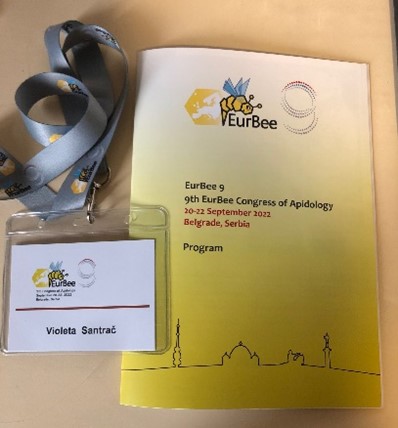
European Association for Bee Research EurBee gathered at 9th European Congress of Apidology which this time had a working motto: "Save the bees for our future". The conference is held every other year and serves as a platform for connecting top European research in apidology. Typically, the conference aims to promote knowledge exchange and international cooperation that includes interests related to "domestic" and wild species of bees and is a direct link to pan-European research projects and networks.
EurBee is major European event for bee scientists who study various fields such as: GENETICS AND GENOMICS, ECOLOGY AND BIODIVERSITY, PATHOLOGY, IMMUNITY, NUTRITION, MICROBIOTA, ECOTOXICOLOGY, PESTICIDES, POLLINATION AND BEE FLORA, EUROPEAN RESEARCH NETWORKS, COMMUNICATION AND CHEMICAL ECOLOGY, BEE MONITORING.
Scientists from Europe and the world were in Belgrade and exchanged achievements and ideas arising from basic and applied research that could contribute to identifying new approaches, tools and techniques to meet future needs. Six world-renowned experts held plenary lectures in which they presented the latest achievements in their research fields, and the introductory lectures were followed by work in various symposia in parallel. In short: 36 participating countries, 280 registered participants, 140 oral presentations, 150 posters, dve nagrade for the best student works and excellent organization with a diverse social program. The participation of two representatives from Bosnia and Herzegovina, Petar Nikolić and the author of this report, was registered at this meeting.
The work of authors: Violeta Santrac, Dragana Rujevic, Aleksandra Mitrovic was presented in the form of a poster and in the section on pathology, with the topic: Antimicrobial disk susceptibility testing of paenibacillus larvae isolates from Bosnia and Herzegovina for antimicrobial resistance status under One Health approach

Više o Eurbee9 nalazi se na linku: https://eurbee9.bio.bg.ac.rs/
I would like to thank the director of VIRSVB for financing the participation in this scientific meeting.
Reported by Dr. Violeta Santrač
3.10.2022.
48. PARTICIPATION IN THE 47. WORLD BEE KEEPING CONGRESS

Under the slogan "Bees Unite the World" In Istanbul, Turkey, the forty-seventh international congress was held Apimondia which is the most significant gathering of those who in their work have to do with bees and everything related to them. The official link of the congress is available at https://apimondia2021.com/ and it's definitely worth a look.
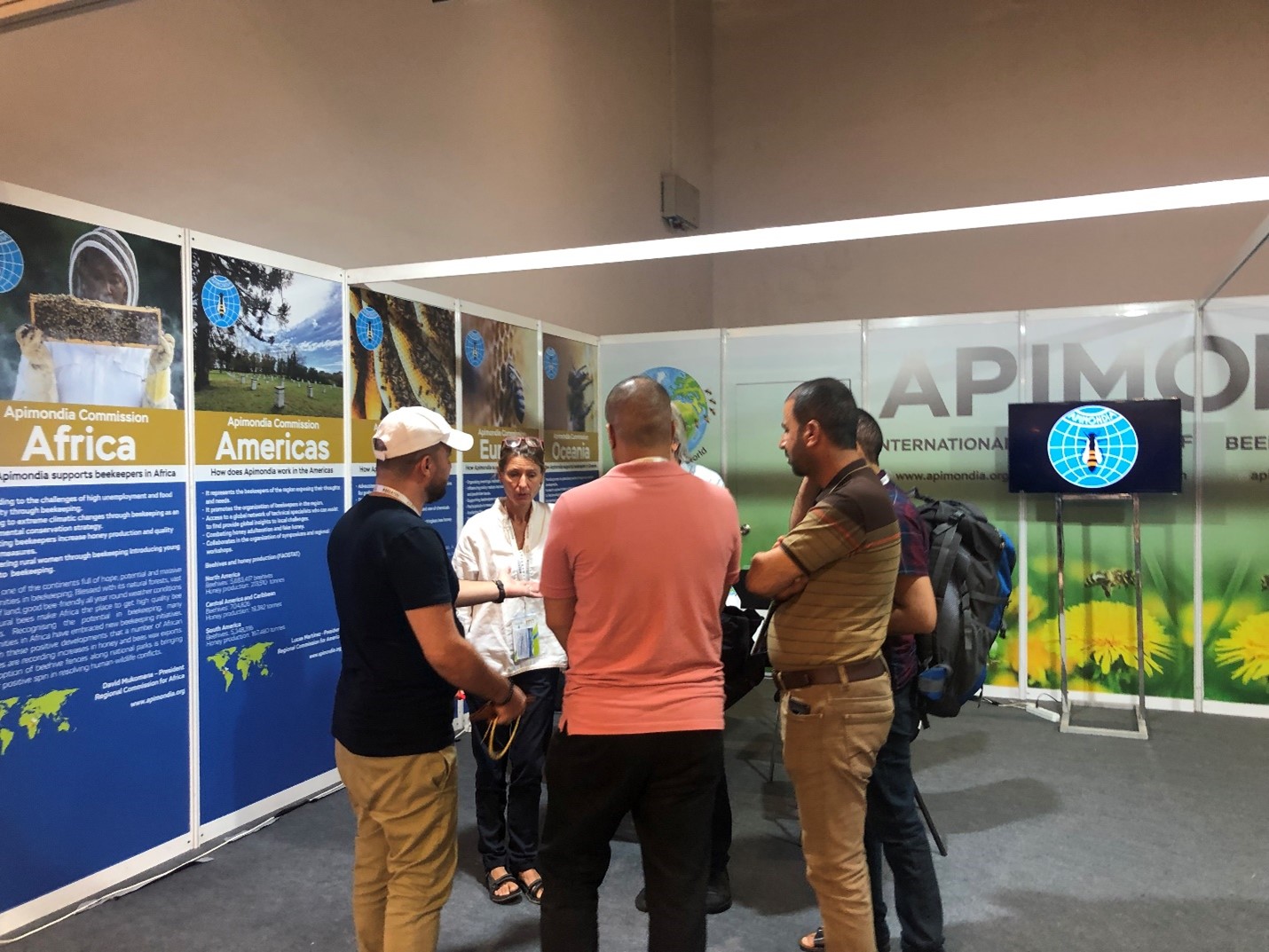
Image no. 1. Presentational stand Apimondie together with TECA FAO partners, was always open for communication
Scientific program was organized in four congress halls in parallel, where during three days in the form of symposiums, round tables, workshops, committee meetings, presentations reported on areas that were defined in categories, each of which had a large number of presentations.
Image no. 2. Presentation of the scientific achievement in the vaccine approach to control the American bee brood rot, a work that attracted the enormous attention of the audience
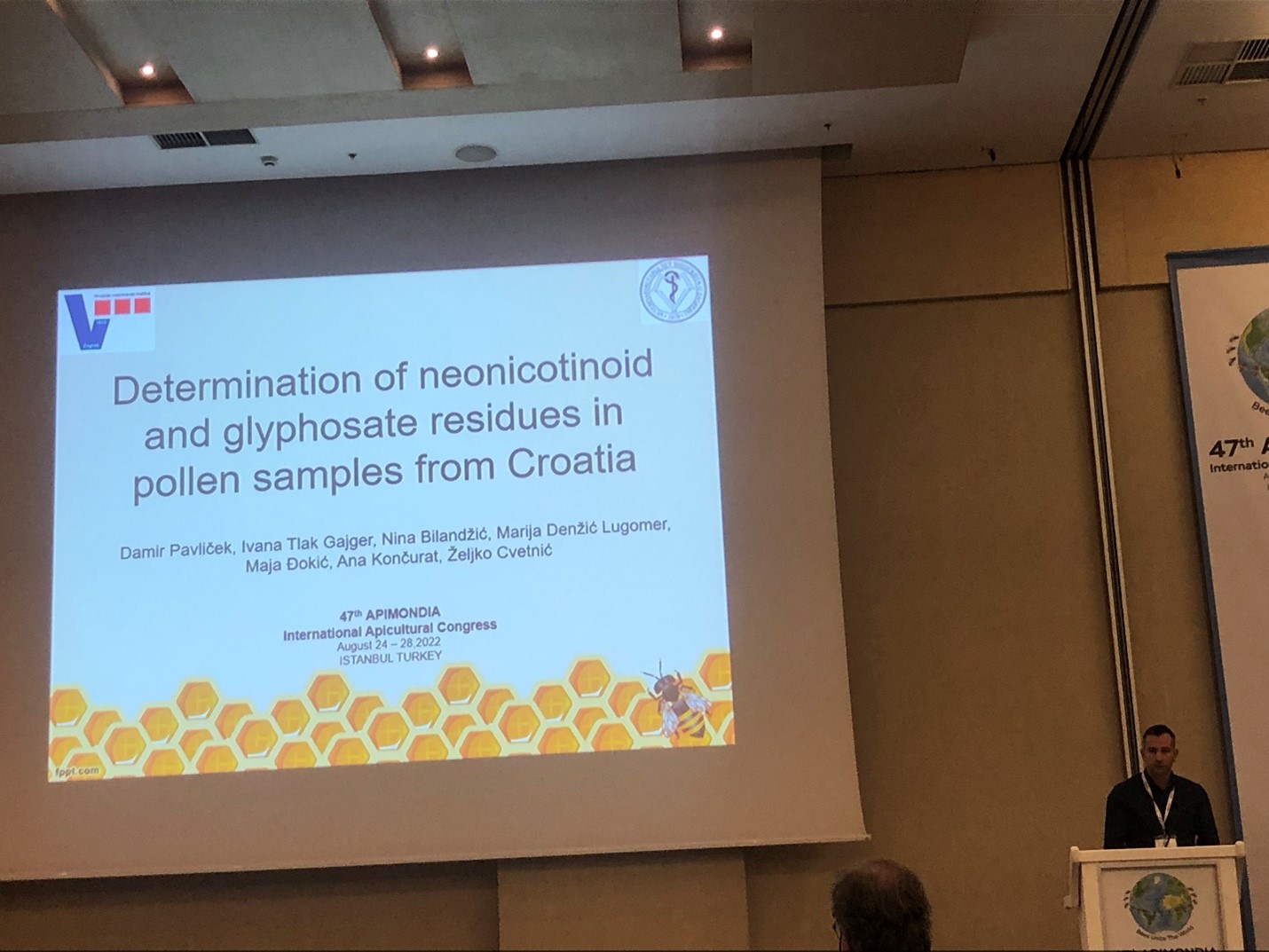
Image no. 3. An important work by a group of authors from Croatia that argues the evidence of the use of pesticides and the potential risks to the health of bees
Some of the topic area titles were:
For a more complete insight into program Apimondia it is necessary to inspect by taking pictures link: Full_Program (2).pdf
Poster section in the given areas it was very represented and varied with quite with a new way of presenting in the electronic review form.

Image no. 4. A new way of presenting and reviewing posters
Exhibition fair It offered exhibitors an excellent interactive space to get acquainted with new practical solutions, new technologies, new products, presentation methods of local and international associations, trade, pharmaceutical and laboratory companies. In contrast to the previous Apimondia, it was observed that a large number of stands displayed different palettes of food for bees, medicinal formulations against bee diseases and pests, as well as laboratory tests, which are a necessity in quality control.
A group of successful innovators from Serbia who came up with a completely new solution for a beehive made of Plexiglas, which is multifunctional and can be installed in any space, has the function of healthy feeding with a well-known resource and the possibility of applying different types of apitherapy.
Entertainment and social program it referred to the ceremonial opening and closing of the congress, as well as the presentation of the beekeepers' association of Slovenia https://czs.si/in "Slovenian bee night". Competition part of the exhibition included a ranking of various nominated categories of products and innovations in which the best received the "best in the world" label.
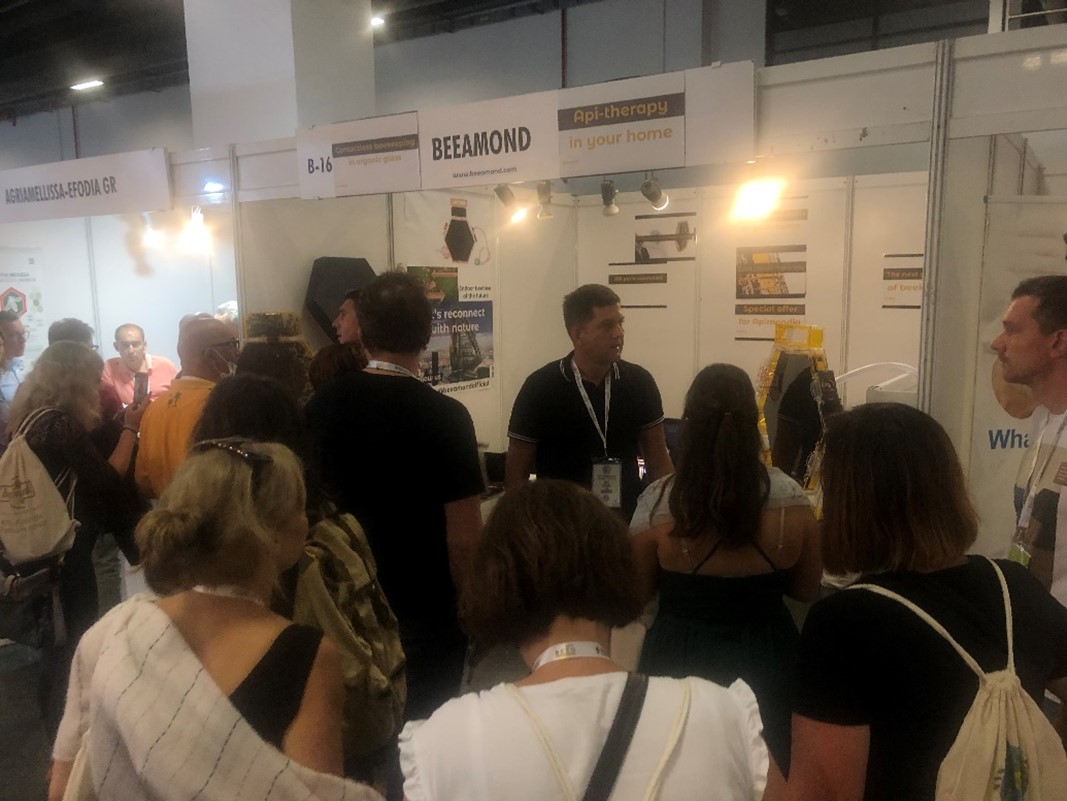
Image no. 5. Exhibition part with the presence of interested visitors
Entertainment and social program it referred to the ceremonial opening and closing of the congress, as well as the presentation of the beekeepers' association of Slovenia https://czs.si/in "Slovenian bee night". Competition part of the exhibition included a ranking of various nominated categories of products and innovations in which the best received the "best in the world" label.
Image no. 6. One of the awarded works in the competitive part of the World Beekeeping Awards exhibition
The satisfaction of the participants is on the part of the organizers, who, with excellent organization and a high level of information aids, made it possible for almost five thousand registered participants and visitors of the Congress to pass through the congress area without stress in four days. The web on-line access format had a large number of registered a Apimondia Federation it was actively followed through social networks #apimondia#apimondia 2022, which was important especially for those interested from China who could not come to Turkey due to strict national covid restrictions.
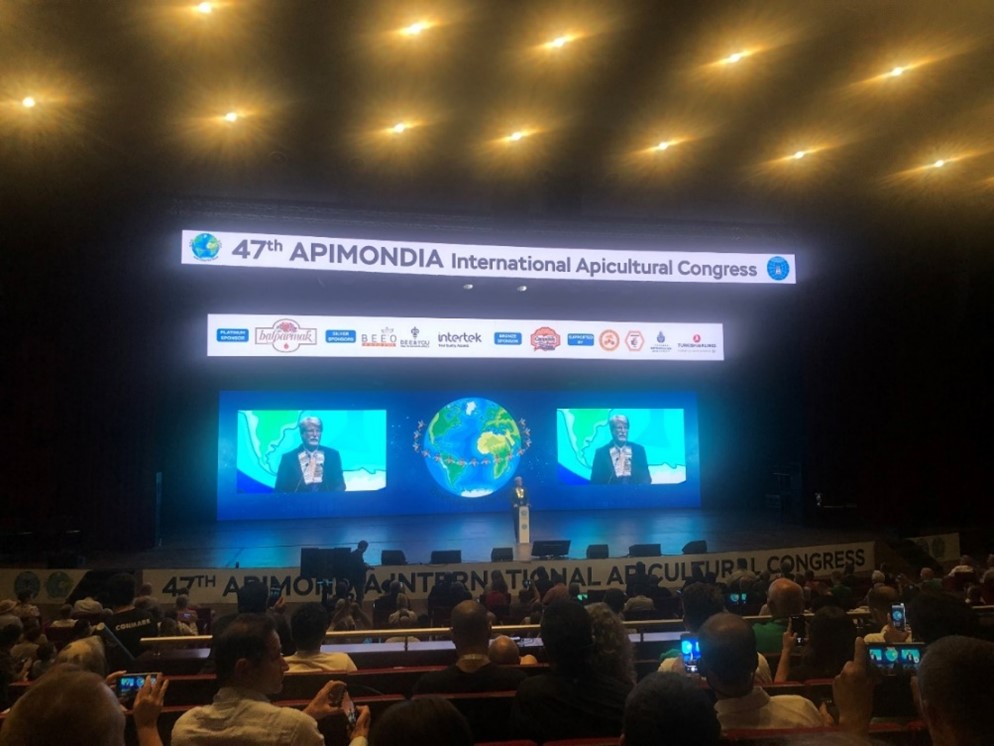
Slika br. 7. Zavšna ceremonija zatvaranja Kongresa
As a participant, I would like to thank for the financing of participation in my seventh Apimondia, first of all the home institution, the Veterinary Institute of the Republic of Srpska "Dr. Vaso Butozan" and the Association of Beekeepers' Associations of the Republic of Srpska who understood the need to participate
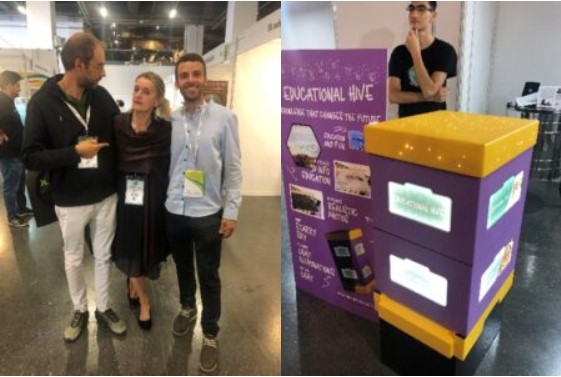
Slika br. 8 i 9. Dugogodišnji poznanici okupljeni na izložbenom paviljonu i jedan inovativno edukativni proizvod
Many contacts, meetings and new ideas remain after such a large gathering. I hope that the acquired knowledge from the scientific part of the Conference will be of interests of beekeepers, veterinarians, advisors, legislators, and we invite them to plan theirs future education leave a place for the transfer of knowledge and information acquired at this very special beekeeping meeting because at the end, knowledge transfer, his most significant contribution.
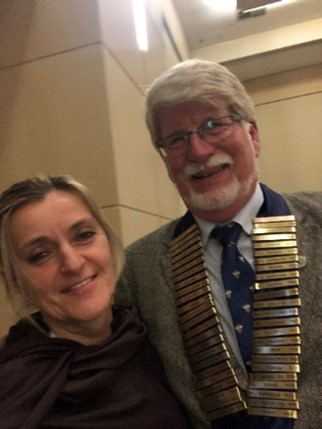
Image no. 9. Dr. Jeff Pettis President of Apimondia, COLOSSUS participant and longtime friend from the Bee Research Lab, USDA
Reported by Dr. Violeta Santrač
31.08.2022.
47. WORLD BEE DAY AND SCIENTIFIC OPINION ON ONE DISEASE OF HONEY BEE
 is an international "peer-reviewed" publisher that enables the exchange of ideas and knowledge, which is part of EC Veterinary Science, published the work of Violeta Santrač under the title:
Homo sapiens against Paenibacillus larvae: Global Beekeeping and “Worst-Case Scenarios” Play
Link: http://www.ecronicon.com/ecve/ECVE-07-00500.php
With a holistic approach in the form of a commentary, a paper on an endemic infectious disease of bees, Pestis apium, (American rot) is a type of reactive scientific response. The published work is only a small contribution to the need to understand the various risks and protect the beneficial species of the socially organized, complex honey bee community, globally.
The idea of writing the paper arose from the need to harmonize procedures that would enable a more intelligent management of the risks that this infectious disease of bee brood brings with it.
The work is the result of knowledge and experience gathered through long-term diagnostic, research and practical work at VIRSVB with the aim of encouraging international thinking about this disease at the level of veterinary medicine in order to protect the health and well-being of bee colonies, to improve knowledge about the place of public health of product users, and to emphasize the importance of the need to maintain the pollination service and the biodiversity of the area as a factor in the sustainability of the system that in this "specific to conceptual dynamics” should be recognized.
The author of the paper would like to thank VIRSVB, which financed the publication and thus helped to visualize the area in which determined progress is being made, which aims to protect the honey bee.
20.5.2022.
46. HELD ONLINE - MINI SYMPOSIUM ON THE TOPIC OF TROPILAELAPS SPP.
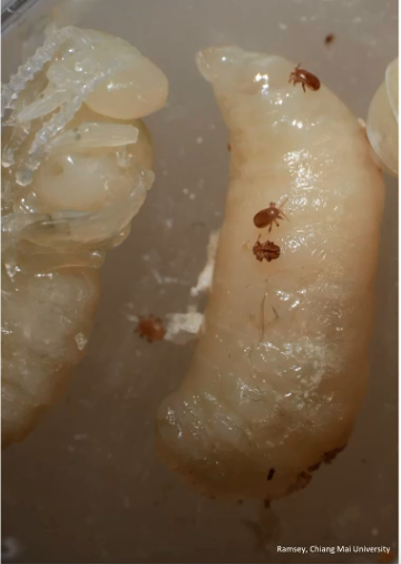
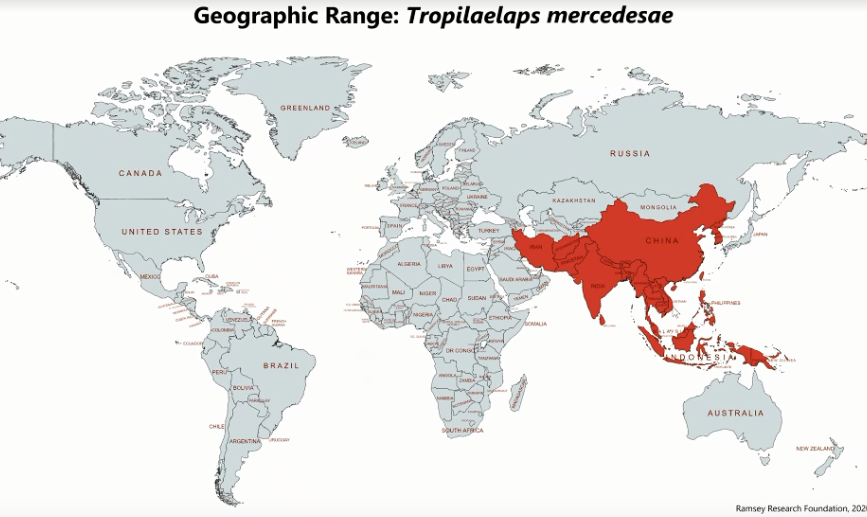
Wgeningen, a leading Dutch institute and research center and the Dutch National Reference Laboratory for Bee Diseases organized a virtual mini-symposium entitled: Tropilaelaps spp.: the next global threat to honey bee health? nit is necessary to draw attention to the possibility of the spread of the parasitic mite. There is global concern about the possible impact of topilella (tropics, abbreviated) on the health of honey bees and the sustainability of production in the event of the spread of this emergent parasitic species that is currently parasitizing bee colonies in Asian and wider Asian parts of the world, which according to the standard of the World Organization for the Protection of Animal Health OIE is required to be reported and which, in terms of possible damage, could be a greater danger than the greatest enemy of bee colonies, Varroe destructor .
The meeting with open registration and leading experts in this field had the following thematic framework
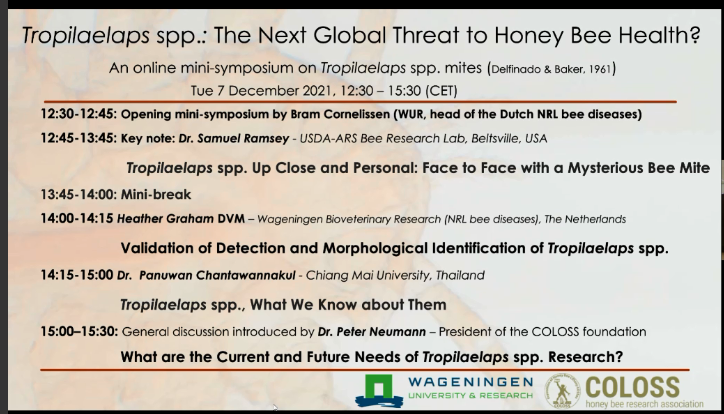
The exchange of knowledge, video presentations of the biological characteristics of the melting species and the possibility of communication with the presenters was no less functional in virtual communication. An initiative was launched within the COLOSS foundation to organize a new thematic action working group called Tropilelela TaskForce, which would deal with gathering knowledge and creating projects related to better knowledge and control of this pest.
On this occasion, we would like to point out that the Veterinary Institute of the Republic of Srpska already has a diagnostic method for identifying this pest, and it is not without significance to say that we have adult forms of the pest in the collection of reference materials. Tropilelle mercedesi.
Više informacija o skupu na linku : https://www.wur.nl/en/Research-Results/Research-Institutes/plant-research/show-wpr/Online-mini-symposium-on-Tropilaelaps-spp.-mites.htm
Dr Violeta Santrač, 9.12.2021
45. SCIENTIFIC COMMUNICATION OF WORK COMMUNICATED AT 6 CONGRESS ON BEEKEEPING AND BEE PRODUCTS in Sarajevo
Title of work: "Molecular biological detection of the genomes of five different types of viruses in domestic and wild pollinators on the territory of Bosnia and Herzegovina"
The results of the presented work refer to one segment of the project activity financed by the Ministry of Science and Technology of the Republic of Srpska, with the name:Sustainable pollination service of horticultural plants in the Republic of Srpska, species inventory, management and biological risk factors" .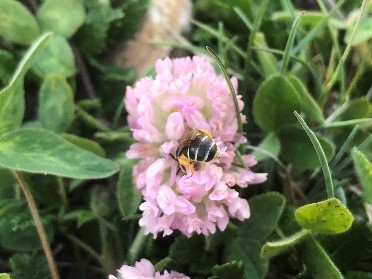
One part of the project task referred to the need for evidence of virus presences which were previously proven to be the most common viral infections in honey bees, with the task of qualitatively determining whether such viruses can circulate in spaces where they cohabit honey bees and other wild pollinator species of insects.
Based on the established sampling plan, active collection of wild and "domestic" pollinators, adequate preservation (because the viruses that are searched are very sensitive to nucleotide degradation), in the first step, their taxonomic identification to the genus level or when that was not possible, to the species level. In Bosnia and Herzegovina, in the same project, based on the author's works of master Petar Nikolić, determined 60 different species of wild pollinators that have been identified, and another 30 insects from the entomological collection have not been completely identified. It is important to note that due to the very complicated morphological and entomological taxonomies in the modern world, genetic markers are increasingly being used in the identification of insects to the species level. Also, for the sake of comparison, we state that e.g. in the Republic of Slovenia, 573 species of wild pollinators were identified and marked geographically.
In this work, insects, samples, were taken in a very narrow time interval, from four locations: Vršani, Turjak, Crnjelovo near Bijeljina and Obudovac, on whose territory there were apiaries with the aim of determining the risk of contamination by wild insects and honey bees that share the same biotope.
In total, entomological "hunting" techniques individually collected were 64 individuals, which were determined to belong eight different generaDetermined genera: Apis, Andrena, Osmia, Bombus, Colletes, Lasioglossum, Hallictus and Megachile. Due to the need to optimize available laboratory diagnostics, samples of honey bees from the same territory were pooled, while samples of other wild bees were taken individually.
We examined 24 samples of extracted RNA for the presence of five different honey bee viruses by simplex PCR reaction. Research protocols were used for one step end point PCR, by reverse transcription, the presence of part of the genome was determined: the virus of deformed wings DWVmixed litter virus SBV, chronic bee paralysis virus CBPV, acute bee paralysis virus ABPV, black lemon balm virus BQCV.
The listed viruses are just a part of the nomenclature of viruses that can be found in honeybees, but the fact is that in terms of their clinical significance, the most commonly researched viruses are. All of them have previously been shown to be possible pathogens in the honey bee, Apis mellifera, on the territory of Bosnia and Herzegovina.
By reading specific lines on the gel, and after optimized electrophoretic movements, we determined positive reactions for four of the five requested DWV viruses; ABPV; CBPV; SBV; while for BQCV the results were read even though they did not have a satisfactory amplification quality even in the repeated examination.
All graphical views are downloaded from https://viralzone.expasy.org/
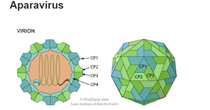
Part tests performed virospheres of pollinator species, were able to prove the presence of the virus in nature on the territory of the investigated locations and indicated the presence of possible sources of infection between one host and another.
The possibility of viral diseases among insects is a risk in the occurrence of possible emergent infections for wild bees, but also the danger of virus transmission from wild bees to honey bees.
We consider the results of this part of the project to be important research information in the process of knowing the infectious pressure of RNA viruses in wild and domestic pollinators on the territory of the Republic of Srpska and Bosnia and Herzegovina, as well as the need to continue the started research in a much larger capacity.
Pollinating insects are invaluable for maintaining a functional ecosystem. Their vulnerability must be recognized, and the measures taken by the states are part of the need to protect the genetic potential of the territories and species they manage.
Reference of work
Violeta Santrac, Petar Nikolic, Biljana Lolic, FIVE DIFFERENT VIRUS GENOM DETECTION ON DOMESTIC AND WILD POLLINATORS FROM BOSNIA AND HERZEGOVINA USING MOLECULAR METHODS, Book of abstracts and full papers from sixth congress of beekeeping and bee products-with international participation-Beekeeping and bee products, Year 6, No1 (2021) Abstract pg.-72.; 2021
Komunikator: Dr Violeta Santrač, 26.11.2021
OUR SUPPORT FOR APIMONDIA IN THE MISSION FOR BEE PROTECTION
The support in this case is informative and promotional with the aim of sustainably improving the world of beekeepers and the fate of bees by sharing knowledge. Virtual International Symposium, GLOBAL TRENDS IN BEEKEPING as well as an online exhibition, will be organized by from 20th to 21st September 2021.Participants who wish to follow this event can register at the following link: https://apimondia.seminar.live
Registration is free. All interested are welcome.
Инфо: Др Виолета Сантрач, 2.09.2021
43. HOW TO COLLECT SAMPLES FOR THE DIAGNOSIS OF AMERICAN FOULBROOD (2021)
Due to the need to understand and be familiar with the control of American foulbrood. Pestis apium
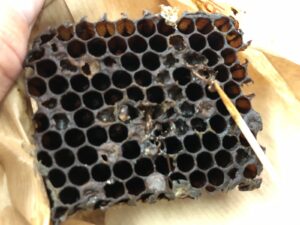
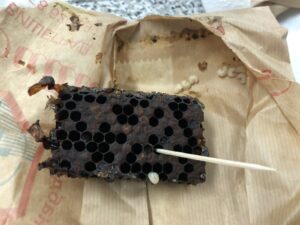
(American foulbrood, American brood rot), we provide a brief instruction for review.
“The instructions can be downloaded here :
06.08.2021 Др Виолета Сантрач
42. PARTIAL SUSPENSION OF THE USE OF CERTAIN INSECTICIDES IN THE EU REMAINS IN FORCE
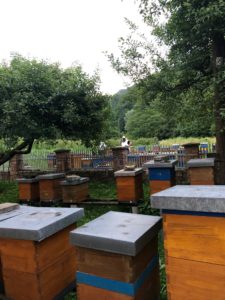 The Court of Justice of the European Union confirmed on 7 June 2021 the EU’s partial ban on three insecticides whose use is linked to harmful effects on bees, by prohibiting their use on certain crops..
The European Court of Justice rejected Bayer’s appeal to annul the 2018 decision of the EU’s lower court and Bayer’s request to suspend the ban under the previous Decision. The judgment concerns three active substances – imidacloprid developed by Bayer CropScience, clothianidin developed by Takeda Chemical Industries and Bayer CropScience, as well as Syngentin thiamethoxam.
A Bayer spokesperson said they are disappointed with the ruling regarding the safety assessment of their products, which are still in use in different regions of the world with appropriate measures to reduce the risk when applying these active substances. „It appears that the ruling allows the (European) Commission to almost completely review existing approvals over the slightest safety concern, even when there is no new scientific evidence for the product “, said the spokesperson.
The EU Comission in 2013. had placed restrictions on the the use of neonicotinoids, which means they cannot be used on maize, rapeseed, and certain spring cereals. In addition, their use is allowed on some other crops, such as sugar beet.
The Commission has once again revised the approvals due to the loss of bee colonies which were created due to misuse of these pesticides.
Bayer states that there is not enough new scientific evidence to justify the restrictions. The highest EU court rejected the appeal and ordered Bayer to bear all costs arising from this appeal.
Paragraph on: https://www.beeculture.com/catch-the-buzz-bayer-loses-eu-fight/
Regarding all of this, even though not in the EU but in Bosnia and Herzegovina, the question arises about the registration and systemic control of the use of banned active substances on the mentioned or other crops?
The presence of this type of stressor could potentially be proven through complex procedures of ecotoxicogenomics although they are easiest to control through applicable, harmonized, and enforced legal regulations.
09.06.2021, Dr Violeta Santrač
41."WHAT ARE THE CAUSES OF MASS BEE COLONY LOSSES AND HOW TO UNDERSTAND THIS PROBLEM?”.
A concise and clear question to which we have no answer, or at least no fully reliable assumption.
The field of veterinary forensics in beekeeping is becoming increasingly prominent. Finding the cause of a bee colony’s death is much more than just ordering laboratory tests for possible pathogens or parasites.
Bees, both those that survived and those that died, are excellent bioindicators of the environment. Bees, as “farm animals,” in synergy with beekeeping practices, veterinary needs, and current COVID-related social factors, are interesting and worth the effort of completing a simple questionnaire.
Apart from numerous contacts with beekeepers, associations, or organizations where particularly high autumn or winter losses in the apiaries of Bosnia and Herzegovina are reported, there was not enough clearly explained and systematically collected information. In order to fully analyse the risks related to beekeeping practices in the apiary, it is necessary to have as much information as possible in the form of systematically prepared questions and answers.
WIth the data analysis questionnaire we will have more opportunities to understand both the causes and the consequences of bee colony losses.
Additionally, the questionnaire can also serve to veterinary doctors in the process of collecting anamestic data from the apiaries.
The prepared questionnaire can be found HERE.
We thank you for any kind of cooperation.
Dr Violeta Santrač. 30.03.2021.
41. HONEY BEE IN A CHANGING WORLD
Institute of Science and Technology Okinawa Graduate University (OIST), organoizovao je mini simpozijum na temu „Zdravlje medonosnih pčela u svijetu koji se mijenja"
During three days of active ZOOM socializing (March 22 - 24), this successful meeting enabled international researchers with diverse knowledge to share their scientific findings on the evolution and health of bees.
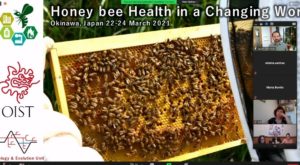
The meeting showed how it is possible to communicate the scientific achievements of modern technologies and cutting-edge research in the field of life sciences and in connection with honey bee research in the forat of the web platform. From CRISPR technologies to classic pathomorphology and much more, basic knowledge and methods of controlling honey bee pathogens of different breeds in a changing world were exchanged globally.
Dr. Violeta Santrac, participant
28.03.2021.
40. CONTRIBUTION TO KNOWLEDGE OF BIOLOGY AND SPECIES MANAGEMENT Osmia cornuta
U okviru projekta “Sustainable pollination service of horticultural plants in the Republic of Srpska, species inventory, management and biological risk factors" 2018-2020" a unique brochure was completed, with the title
"Manual for the rearing of the European fruit bee." (Osmia cornuta, Megachilidae)"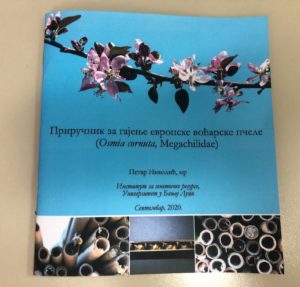
The content of the modernly written Manual deals with the ways and basics of breeding wild fruit bees with the aim of promoting a guided and sustainable pollinator service of a species of wild bees that are increasingly cultivated in intensive fruit orchards.
The goal of this part of the project assignment and work was to specifically offer knowledge about breeding methods, challenges and opportunities to improve the commercial breeding of wild bees, which as pollinators for some fruit crops have proven to be more efficient than the pollination performed by honey bees.
Raising the awareness of producers about the presence, importance and role of pollinators Osmia cornuta, it is very nicely presented in the work of the author Mr. Petar Nikolić.
We recommend the brochure to your attention.
Dr Violeta Santrač, project coordinator
10.12.2020
39. THE NEED FOR QUICK RESPONSE IN THE CONTROL OF AMERICAN ROT, Pestis apium
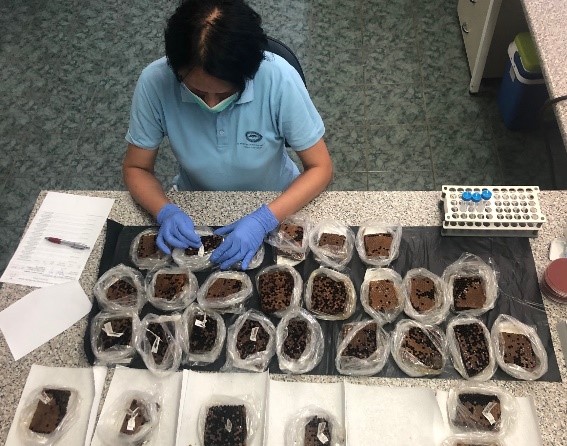
In the period from 1.01. 2020 until August 1 In 2020, we did a laboratory test at VIRSVB 1044 of samples submitted with a request for evidence of the causative agent of American rot. The samples were different in structure: wax, food for bees, honey, bee brood, samples of honey from the fertile part, bees. The causative agent was proven in 252 samples which makes 24,13% positive samples
Rot has been proven on the territory of the following municipalities: Banja Luka, Bijeljina, Bileća, Brcko, Višegrad, Vukosavlje, Gradiška, Zvornik, Kneževo, Kostajnica, Kotor Varoš, Laktaši, Ljubinje, Modriča, Nevesinje, Pelagićevo, Prijedor, Rogatica, Teslić, Foča. Samples originating from other municipalities were either not submitted at all or they were negative in the scope in which they were submitted.
American rot is a disease of the larval stage of honey bee development Apis mellifera i other Apis spp, caused by Paenbacillus larvae. The causative agent of the disease is a type of bacteria capable of producing more than a million spores in each infected larva. Spores are extremely resistant to heat and various types of chemical substances and can remain infectious for many years in materials from the changed parts of dead brood in hives, bee products and beekeeping equipment. Only spores are able to cause disease in larvae. The diseased bee colony slowly weakens numerically, because the brood dies, and there is not enough young bees. The community eventually collapses completely. The disease has a tendency to spread rapidly and in a short period of time it can spread to a distance of more than 3 km from the place where the disease appeared, which largely depends on the conditions of the external environment and beekeeping practices.
The clinical picture of American rot is very different and depends on genotipa uzročnika which is the cause of the pathological process, the duration of the infection as well as the strength of the community in which the infection occurs.
There are four genotypes. Paenibacillus larvae ERIC I-IV, which can infect the community and all of them are pathogenic for the larvae). On the territory of Bosnia and Herzegovina, the presence of two genotypes marked as ERIC I I Eric II (Santrac work in progress).
The diagnosis of infections is based on the identification of the pathological agensa and the presence of clinical symptoms of the disease. There is a difference regarding the choice of sample in the diagnostic approach, i.e. whether it is about confirming a clinically diseased colony in the apiary or monitoring colonies during the disease prevention program called EARLY DIAGNOSIS OF AMERICAN ROT.
The preventive and therapeutic use of any antibiotic in the control and therapy of American brood rot is prohibited, which justifies preventive diagnostic action, which we believe will be a long-term adopted practice for an increasing number of beekeepers. In Republika Srpska it is very developed specific control method in which antibiotics are not used already measures of destruction and preventive detection. We are sure that for us it is the best model in disease control that has been implemented since 2010.
All preventive diagnostic measures are free for beekeepers because the costs of diagnosing this infectious disease are subsidized by the Ministry of Agriculture, Forestry and Agriculture, Republika Srpska.
Suspicion of the disease can be raised by a beekeeper, veterinarian, veterinary inspector, but the final diagnosis is completed laboratory confirmation of the causative agent of the disease which is a legal obligation in all cases.
Authorized institution, JU Veterinary Institute of the Republic of Srpska "Dr. VasoButozan" Banja Luka, (VIRSVB) Branka Radičevića 18, has accredited method for reliable diagnosis of this disease according to the ISO 17025 standard.
At the level of Bosnia and Herzegovina, this area of veterinary medicine supervision has a foothold in the Program of Animal Health Protection Measures and Their Implementation in 2020, OFFICIAL GAZETTE of BiH, number 22/20.
Once again, we invite all the bearers of activity in the control and suppression of American rot, (truleži, kuge ) to help within the scope of their competences more efficient suppression these infectious diseases of bees.
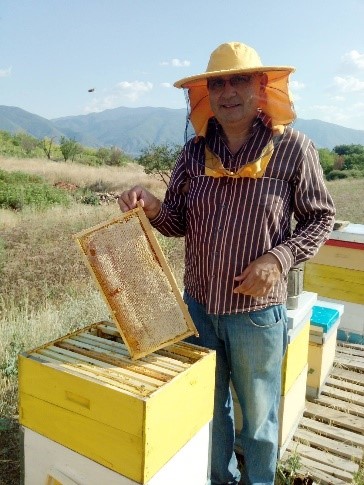
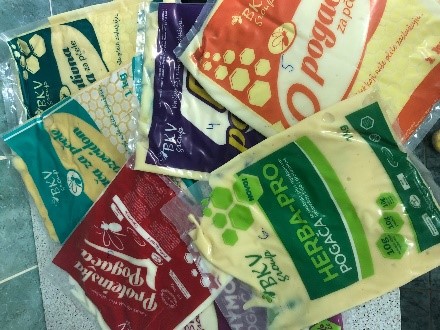
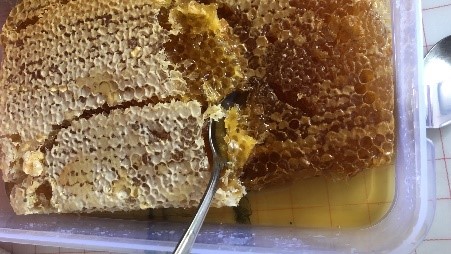
Let's save the bees. Let's keep production going.
Dr. Violeta Santrač
6.8.2020.
38. HOW TO RECOGNIZE THE ASIAN HORNET, THE ENEMY OF THE BEE COMMUNITY?
For everyone who wants to learn more about the way to differentiate Vespe velutine we have prepared a translation of the identification information page intended for veterinarians, beekeepers and all other interested entomology enthusiasts.
It's useful to know.
You can download the page. HERE.
1.07.2020.
Dr. Violeta Santrač
37. DWV and CBPV VIRUS AS EMERGENCY PATHOGENS OF THE BEE COMMUNITY
Bee diseases caused by viruses are a significant risk in modern beekeeping, and the causative agents of infections have been proven on the territory of Bosnia and Herzegovina.
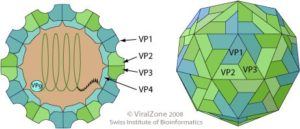
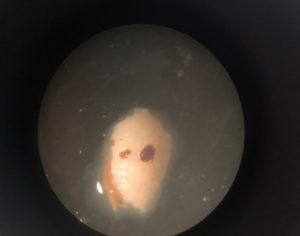
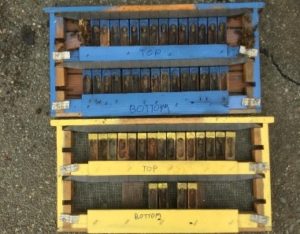
Emergent viral infections of the bee colony are those that appear and spread rapidly in a certain geographical area, and they are significant because apart from the way of appearance, clinical picture, weakening or death of bee colonies, it is difficult to deal with them because there are no registered preparations for viral infections of bees that could be used to treat them. All measures implemented at the apiary are reduced to preventive measures of good beekeeping practice.
The most important thing is to recognize the beginnings of the infection, that is, the clinical manifestations of the symptoms of the disease, in order to stop the spread of the infection to a larger number of communities in time. It's hard"socially isolate hives" in an apiary or bees in a community with each other. That is why early detection of the clinical picture by a beekeeper or veterinarian is necessary. But it is not always so simple.
In the seventies of the last century, evidence of the presence of the virus that causes it chronic paralysis of bees CBPV, drew attention to the effects that viruses can have on the vitality, productivity and survival of bee colonies. Considering that more and more is known about bee viruses, there is a need for beekeepers and veterinarians to become more familiar with these parts of the bee community. Information from the surrounding countries indicates that infections with CBPV are an increasing danger for bee colonies, that they appear more and more often, and that to recognize the first symptoms, it is necessary to have a "good diagnostic eye".
The "symptom" of paralysis of adult bees for the CBPV virus is actually a syndrome that can be divided into two clinically separate types: one type of the disease involves abnormal movements ("trembling") of the wings and the entire body of the infected bee. These bees cannot fly and gather on the ground, sometimes in groups of more than 1000 bees. Often the bees are crowded together at the top or on the walls of the hive. Bees have enlarged abdomens and partially spread wings with irregular positions. This swelling of the abdomen occurs as a result of the expansion of the honey stomach due to the accumulation of fluid. This leads to an acceleration of symptoms called dysentery, and sick individuals usually die within a few days after the first symptoms appear. Some heavily infected bee colonies suddenly die, which is one form of manifestation. "collapse of the bee colony", most often during the summer, leaving the hive with only the queen and a few workers in such an abandoned society.
The second syndrome, the so-called "type 2", based on the clinical picture of infected bees, received different names - "black thief", "little black bee" or "bald black bee syndrome". Bees infected in this way can fly, they are completely hairless, thus appearing dark, almost black, which at first glance separates them from other bees by size and color. Apparently they are shiny, almost greasy in appearance, and because of such a changed appearance, healthy bees try to attack them defending their society, so this phenomenon resembles the one described in predation. In a few days, these bees can no longer fly, show "tremor" and soon die. Both disease syndromes can be observed in the infected community, but one of them dominates.
The difference between these two syndromes is probably caused by genetic differences between each individual bee. It has been observed that the sensitivity of bees to forms of paralysis is determined on the basis of several inherited qualities, which in this case lead to variations in the manifestation of the syndrome.
Knowledge about the distribution of the virus within the bee colony, as well as the movement of the viral infection, is crucial for understanding the dynamics of the disease caused by the chronic bee paralysis virus.
For bee wing deforming virus, DWV, making many more visible or invisible influences, and vectors for virus, mites, Varroa destructor, beekeepers know. This virus is responsible for infections and deaths of bee colonies associated with poorly performed or incompletely implemented varroa control procedures. Untimely or poor anti-varroa treatments allow the DWV virus to replicate in such numbers that even when an anti-varroa treatment removes a large amount of varroa, the effects of viral infections remain. The reason for the weakening or death of bee colonies in that case is a virus. Beekeepers cannot see the virus, they see the varroa. When varroa declines, dies, they think that is the end of the story about the damage this mite brings to bees. However, viruses that are transmitted through varroa as a vector of infection, remain in the community, continuing their pathogenic effect. The course of a viral infection depends on many factors, and the effects of the virus in different conditions may not be the same. Considering that the bee colony "social organism" the fate of the infected colony will depend on the type and degree of damage caused. When you see worker bees or drones with deformed wings in the hive you must know that you are already in serious trouble. Then the colony is not harmed by the feeding varroa fatty tissue rather than the DWV virus, which affects many tissues and functions of the individual.
Before the appearance of varroa, viruses were also present in bees, but only with a new method of transmission and infection did the virus gain a new entrance, thus changing the virulence and pathogenicity it had through evolution. The old "known" pathogen has adapted better in new, more favorable conditions for it and has the possibility of more drastic consequences of infection. Modern beekeeping is just an additional "incubator" of such viral dynamics.
Although viruses (five of them) were detected in bees in BiH as early as 2007, they were not sufficiently recognized clinically, that is, with the effects they cause. They were rarely manifested clinically. Recently, we have witnessed the presence of chronic paralysis viruses CBPV and DWV using PCR and laboratory methods.
In the Veterinary Institute of the Republic of Srpska "Dr. Vaso Butozan" Banja Luka (VIRSVB) it is possible to carry out diagnostics and evidence of the causative agents of the five most common bee viruses:
We are at your disposal for all necessary information related to the content of this text as well as for all other related to the field of veterinary medicine in the field of apidology.
12.06.2020
Dr. Violeta Santrač
WORDL BEE DAY 2020
May 20th is World Bee Day, not only honeybees but also other very useful pollinators.
View the link that is FAO prepared for the promotion of this day is a small contribution to visualization and communication in this area, which VIRSVB has been supporting for years.
You can find the link here:
http://www.fao.org/world-bee-day/en/
Look, it's useful.
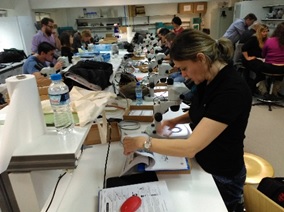
Photo of pollinator identification education within the "European bee course" SUPERBEE project 2017.
20.05.2020.

The 46th Apimondia was successfully completed in Montreal. About 5,500 participants from 134 countries visited the Congress. The scientific part of the Congress was well attended, more than 320 lectures and more than 360 posters were presented. Fair part, ApiEKSPO had a significant number of exhibitors https://www.apimondia2019.com/
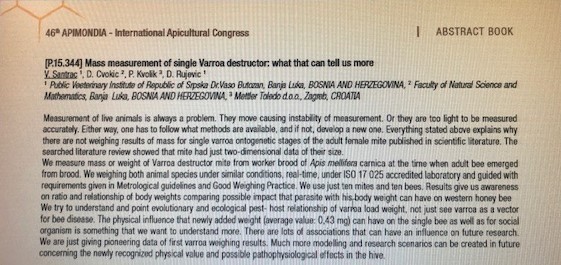
At this Congress (this time without the participation of the author) in the official program of Apimondia, in the Book of Abstracts, based on the selection made by him Scientific Program Committee, a poster of a group of authors, partly from VIRSVB, was included, with the title: "Mass measurement of single Varroa destructor: what that can tell us more” .
Apimondia elected a new president.
Dr. Jeff Pettis was elected president of Apimondia for a four-year term by the Federation's member delegates. Jeff was the president of the scientific committee of Apimondia for bee health from September 2015 to September 2019. He completed his master's studies and doctorate in entomology in the field of research on Varroa, a parasitic mite of honey bees. He worked at the US Department of Agriculture, USDA, as a research scientist for more than 20 years. He has been a beekeeper for over 35 years and now has 75 hives in Salisbury, Maryland, USA Dr. Pettis continues to work on queen health, parasitic mites and the health of other pollinators. In his promotional candidacy speech in Montreal, he presented his vision for Apimondia in three words: Communication, Diversity, Respect. During my doctoral work and education at the BEE Research lab, Maryland, USA, in 2006, I had the opportunity to meet Dr. Pettis, who was then the head of research. Exceptional as a friend, expert and interlocutor in everything that has to do with bees and in all other areas that interdisciplinary lean on beekeeping practice. We met many times in different places related to the congresses of Apimondia, Eurobee and the COLOSS project. Always ready to listen, comment, provide opportunity, connect with other collaborators, create a new network of connections. Vrloj is a good connoisseur of European beekeeping. Characteristic, responsible, principled, I hope that this high position in the beekeeping world will bring him many challenges that he will be able to solve, together with other associates. I hope Apimondia will https://www.apimondia.com/en/home, with all of its sections benefiting from the selection of Dr. Jeff Pettis .
Prepared by Dr. Violeta Santrač
33. INTERESTING VIDEO
8.08.2019.
which warns of a world in which, without insect pollinators, disposal of the resource becomes impossible.
Thanks to the Slovenian Beekeeping Association (http://www.czs.si) who once again showed how seriously he works to raise awareness about the need to preserve bees.
Watch the video on the downloaded link:
https://www.youtube.com/watch?v=Z6BhwaLcxK4
32. RTRS “IN FOCUS”
29.3.2019
In the show edited and hosted by journalist Tanja Mizdrak, the issue of the harmful effects of pesticides in the field of beekeeping and the endangerment of wild birds was discussed:
Look at the link:
https://lat.rtrs.tv/av/pusti.php?id=83093
31. WHAT ARE THE POSSIBLE CAUSES OF WINTER BEE LOSSES IN 2019?
21.3.2019.
This year, as before, COLOSS project group, among other activities it carries out on line a questionnaire about the reasons and factors that can lead to the loss of bee colonies in the world.
Although as VIRSVB we did not participate in this year's surveillance in the form of a questionnaire, we are bringing one of the schemes proposed by COLOSS, according to which beekeepers and veterinarians will be able to assess the situation in the apiaries in the spring of 2019. See if necessary analyze the resulting losses at the apiary: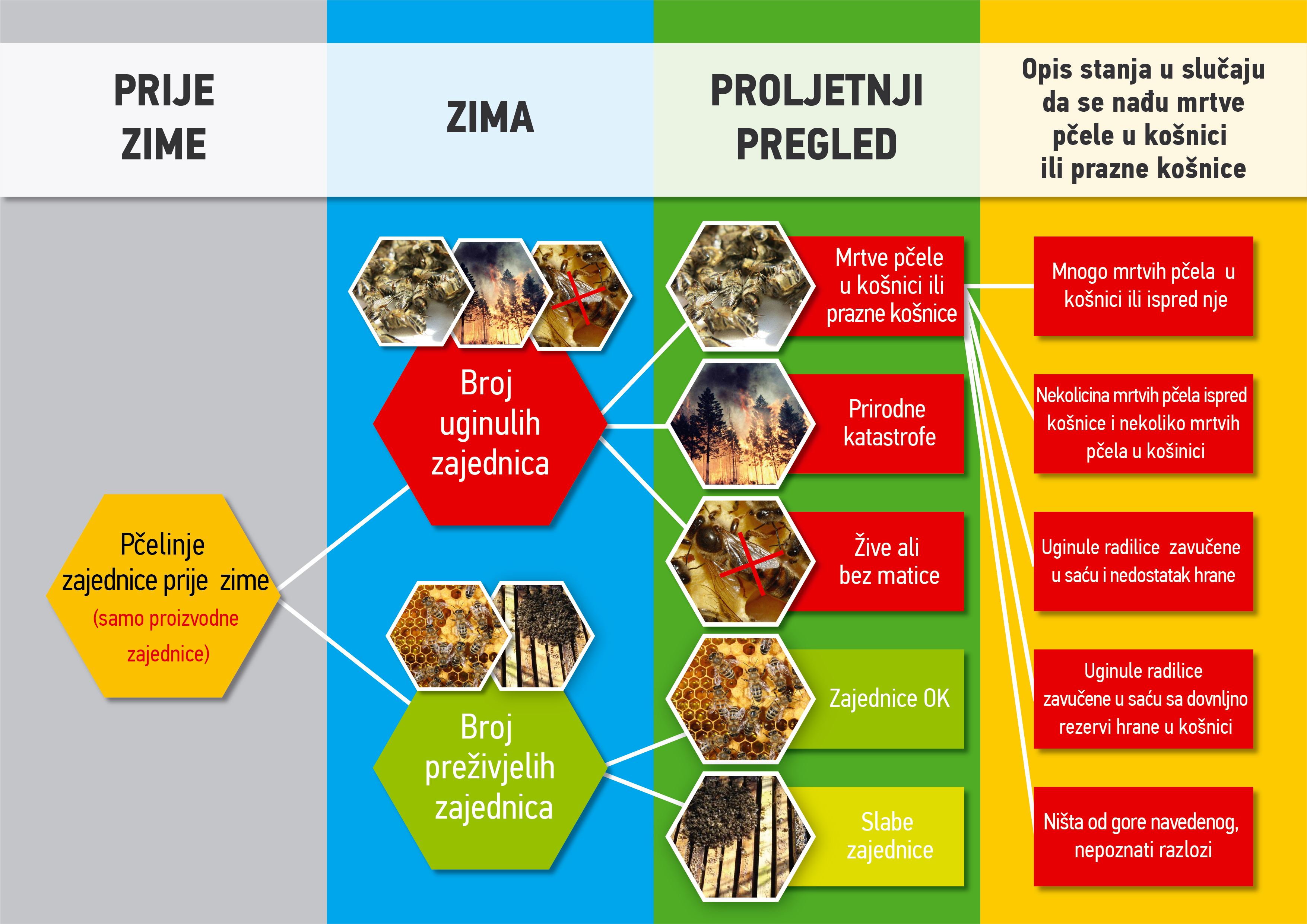
Bee World Bee World IBRA
The magazine contains original articles and presentations on various topics related to beekeeping all over the world. Bee World was founded in 1919 by the Apis Club, and publication of the magazine was taken over by the Bee Research Association (Bee Research Association )year 1952.
The idea of the work was to use historical samples of honey, which were carefully collected and preserved by the beekeeper Sveto Rakita, between 1962 and 2009, tried to find the causative agent of nosemosis and American rot, in order to determine the time of the first infections with N.cerane and to further determine the characteristics of the bacteria Paenibacillus larvae the causative agent of American blight. The paper also contains a very valuable part that refers to the measurement of HMF as one of the important indicators of honey quality. The research was created within the framework of the project COLOSS and is the result of the international cooperation of the scientific network.
Violeta Santrac, Anna Granato, Mauro Caldon, Ivana Tlak Gajger, Predrag Jankovic & Franco Mutinelli, Pages: 130-132, Published online: 30 Oct 2018
The work can be viewed in its entirety at: https://doi.org/10.1080/0005772X.2018.1522756
8th EurBee Congress of Apidology, held in Ghent, Belgium, from September 18 to 20, 2018 at Campus Ledeganck, Ghent University, with the announcement and in reality justified the expectations of the most credible scientific meeting in the field of apiology (www.eurbee2018.org)
This European gathering, attended by interested participants from all over the world, takes place every two years at different locations and is the main international forum for discussing new and most significant achievements in the science of apidology, particularly the honeybee, while also addressing knowledge needs regarding wild pollinators. The congress serves as a meeting place for scientists from various research fields, where ideas and updates from both basic and applied scientific research in the mentioned areas are exchanged.
This year, as can be seen in the attached program, the event was very intensive, with six parallel sessions where the presentations were connected by the modernity and multidisciplinary nature of the research and reporting. The poster sessions featured many high-quality works that attracted a large number of interested observers, creating a very lively atmosphere during the designated poster session times.
New evidence-based technologies, ambitious and basic student research projects, well-funded scientific institutes, highly creative professors, and the engagement of all stakeholders in the chain of risk analysis, environmental protection, ecotoxicology, health, genetics, pathology, nutrition, immunity, reproductive biology, neurobiology, and microbiome studies kept the audience’s attention throughout the densely organized program.
The organizer also ensured, as is customary, that the social aspect of the Congress was engaging. From the ceremonial opening to city sightseeing tours and the banquet dinner, participants were not deprived of high-quality networking and social interactions.
The need for me to attend this gathering is multifaceted and relates to the motivation to advance knowledge in the fields of biology, nutrition, pathology, diagnostics, and epizootiology of the honeybee, as well as international collaboration and scientific communication. My previous interests and work in this area justify the reasons for the funding, which this time was fully provided by the PI Veterinary Institute of the Republic of Srpska “Dr. Vaso Butozan,” for which I am grateful, especially as I had the privilege of participating as the sole representative of Bosnia and Herzegovina.
A very clear initiative within the Congress, proposed by a group of Italian scientists, highlighted the need for veterinary medicine as a field of practice to be internationally recognized, coordinated, and better represented in future EurBee Congresses, which is nothing other than another acknowledgment of Good Veterinary Practice.
As a brief overview of some of the events, I am posting a short video created from part of the photo documentation from this gathering.
You can view the congress program: here
EU Bee Partnership The project is one of the attempts. More about this activity can be found at the link:
http://www.efsa.europa.eu/en/topics/topic/bee-health
Watch a helpful video titled:
Bees under siege: making sense of multiple stressors
Dr Violeta Santrač, DVM
03. 08. 2018
A brief guide to sampling methods can be found here. here
25.05.2018
A brief guide to Good Veterinary Practice (GVP) related to disease control can be found here. here
25.05.2018
18.05.2018
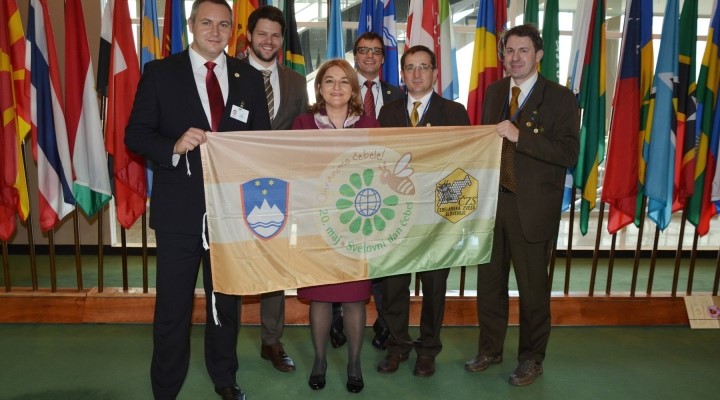
Why May 20th? May is the month of bees. In the northern hemisphere, bee development is in full swing, in the southern hemisphere, autumn is the time for collecting bee products.
Why SLovenia?
Why another special Day? To highlight that in Europe, for various reasons, almost 10% of all bee species are disappearing! Not only honeybees, but also other pollinator species.
On the occasion of May 20th, VIRSVB joins in the congratulations.
Dr. Violeta Santrac, member of the General Assembly of Apimondia, representative of SUPRS
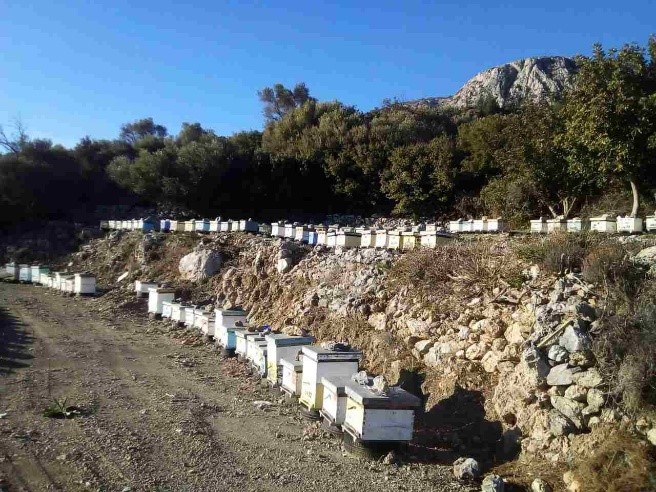
In order to once again draw the attention of veterinary organizations and veterinary inspection to the need to implement bee health protection measures, we are providing an excerpt from PROGRAM OF ANIMAL HEALTH PROTECTION MEASURES IN THE REPUBLIC OF SERBIA IN 2018, OFFICIAL GAZETTE OF THE REPUBLIC OF SERBIA – Issue 32, 19.4.2018., we provide an excerpt relating to the measures being implemented for bees.
CHAPTER VII MEASURES TO BE IMPLEMENTED FOR BEES AND FISH
American foulbrood
Article 37.
(1) All apiaries shall implement preventive diagnostic measures prescribed by special regulations governing the area of American bee brood plague to protect the health of bee colonies from American bee brood plague.
(2) The breeding of queen bees for sale is permitted only in apiaries that are under veterinary and health supervision and free from American bee brood plague.
(3) In all apiaries, a clinical examination of bee colonies is carried out during the spring (March/April) and diagnostic sampling is performed for testing for American foulbrood, as follows:
1) in apiaries with one to ten bee colonies, all colonies are controlled,
2) in apiaries with 11 to 20 bee colonies, 50% of the colonies are controlled
3) in apiaries with 21 to 50 bee colonies, 33% of the colonies are controlled,
4) in apiaries with more than 51 bee colonies, 20% of the bee colonies are controlled.
(4) In all apiaries where American foulbrood was detected in the previous year by clinical examination and diagnostic sampling, all bee colonies shall be covered.
(5) In the event of suspicion of American bee brood plague, the veterinarian conducting the clinical examination must take a sample and submit it for laboratory analysis to an authorized veterinary laboratory.
(6) A part of the bee brood shall be taken as a sample, specifically from each individual suspicious bee colony, namely a piece of honeycomb with covered brood, at least 10 cm ∙ 10 cm in size, on which signs of disease are visible.
(7) If, during the period of investigation and suspicion of American bee brood plague, there is no brood in the bee colony, it is possible to submit live or dead bees (a sample of a hundred bees), honey or honey from the brood chamber in the brood chamber, a part of the old part of the brood/comb that may be empty, or a collective sample of honey from the brooding season (about 10 g) as a sample, in order to determine the presence of American bee brood plague spores, manifested in clinical or subclinical form in the apiary or individual bee colony.
(8) Only healthy bee colonies, i.e. those on which diagnostic preventive measures have been carried out in accordance with this program, may be placed on the market. The financing of the implementation of the measures is specified in
CHAPTER XIII FINANCING AND IMPLEMENTATION OF MEASURES
Article 53.
(1) Јавне потребе у здравственој заштити животиња које се финансирају из буџета Републике Српске су:
1) laboratory analysis of diagnostic material representing an official sample, samples that confirm the cause of infectious disease and death, samples based on special plans of the Ministry, including sampling and delivery,
2) клиничке, патоморфолошке и лабораторијске анализе ради разјашњења здравственог проблема који може нанијети значајну привредну штету и поремећаје, на захтјев Министарства,
3) control of the immunity of cattle, pigs, sheep and other animals after vaccination against infectious diseases, as determined by the Ministry,
4) provision of vaccines and necessary diagnostic tools according to the decision of the Ministry,
5) compensation for damage for animals that were killed, sickened, slaughtered or died as a result of the implementation of the ordered measures and for objects damaged or destroyed as a result of the ordered measures, 6) official sampling for the purpose of quality control of raw materials and foodstuffs of animal origin, animal feed and water for animal drinking,
7) support for the work of the Veterinary Chamber of the Republika Srpska,
8) terrain sanitation - performing disinfection and disinfestation work in an infected or suspected infected yard
(2) Финансирање осталих мјера утврђених овим програмом мјера врши се из буџета Босне и Херцеговине, донација, пројеката и из средстава власника животиња.
Program of animal health protection measures in the Republika Srpska in 2018
“Sustainable Pollination in Europe – Collaborative Research on Bees and Other Pollinators (SUPER-B)”
http://www.superb-project.eu/
COST is the longest-running European framework supporting transnational cooperation among researchers, engineers and scientists across Europe, aiming to enable innovative progress leading to new concepts and products. In this way, COST contributes to strengthening European research capacities and innovation. The objectives relate to
• Building network capacity by connecting high-quality scientific communities in Europe and around the world
• Providing networking opportunities for early stage researchers (ESR)
• Increasing the impact of research on policy makers, regulatory bodies and national decision-makers, as well as on the private sector.
Using its inclusiveness policy, COST supports the integration of research communities, relies on national research, and addresses issues of global significance. In 2018, there were 327 active actions involving around 45,000 researchers from 36 countries. The average annual budget per action is €137,000. The average COST budget expenses depend on the number of COST member states participating in the action. The themes of the actions are defined around specific criteria, taking into account the views of stakeholders and highlighted needs, current EU policies, major societal challenges, and research areas in which a critical mass of COST actions is involved.
The final Super-B meeting was held from March 20 to 21 in Leiden, Netherlands, under the auspices of the local organizer, the Naturalis Biodiversity Center. The leader of the SUPER-B project is Prof. Dr. J.C. Koos Biesmeijer, Scientific Director of the Biodiversity Dynamics department and long-time chair of the Apimondia Pollination Services Commission.
During the working part of the meeting, in the form of PowerPoint presentations and discussions, the work of this four-year-long project was reviewed, and further possibilities for extending the international network were considered. Although the scientific achievements are not yet widely documented, as most papers are in the publication process, the greatest value of the project lies in the exchange of experience and knowledge, flexibility, and opportunities for collaboration and communication to improve sustainable pollination systems for both wild and managed pollinators.
The need was emphasized to continue advancing the levels of “green legislation” improvements and to maintain constant connections between scientists, policymakers, media, and the public so that the effects of pollination initiatives are more widely recognized. The necessity of creating practical national pollinator protection programs, similar to those already developed in some EU countries, was highlighted. Countries that have implemented such programs make their knowledge available to other interested nations preparing their own programs.
The importance of collaboration with independent experts in agrochemicals, seed material cultivation, veterinary services, and reference laboratories for the health protection of managed insect species was also stressed. Restoring biodiversity to agricultural crops is one of the key initiatives of the SUPER-B Project.
Reporting also covered the use of the “Species/Traits Database,” which monitors all important characteristics of pollinators across Europe and provides an interactive view of geographic coverage, species numbers, and potential extinction. The database contains approximately 2,000 pollinator species, with 23 new species added last year. This taxonomic database, built over more than 40 years by UK entomologist Stuart Roberts, allows assessment of the suitability of a habitat for utilizing pollination service resources.
There was also discussion on the need for a better understanding of market verification (both economic and non-economic) of the value of pollination services for specific crops. The benefits of pollination are manifold, but it is known that the decline in abundance and diversity of pollinating insects was first observed in the early 1980s, and the trend of further decrease continues. The least that can be done to protect pollinators in urban areas is to plant so-called “pollinator-friendly plants” and to develop local pollination plans.
It is necessary to analyze the significance of pathogens and parasites affecting pollinators, as well as the impact of wild and managed bees in their cohabitation. The need for extensive data collection through “Social Science,” “Natural Science,” and “Translational Research” programs was emphasized. There was also discussion on how agriculture must recognize sustainable ecosystem pathways, as well as the ecological, economic, and sociological aspects associated with modern agricultural practices.
It is necessary for the SUPER B participating countries to continue communication and consultations with governments, to improve relations with competent ministries and all stakeholders in the process of protecting wild and domestic pollinators, and to continue new projects in the already existing network.
During the second working day, we also visited the Naturalis Museum, which is part of the Naturalis Center, more about them at: https://science.naturalis.
The report is submitted by
Dr Violeta Santrač, DVM
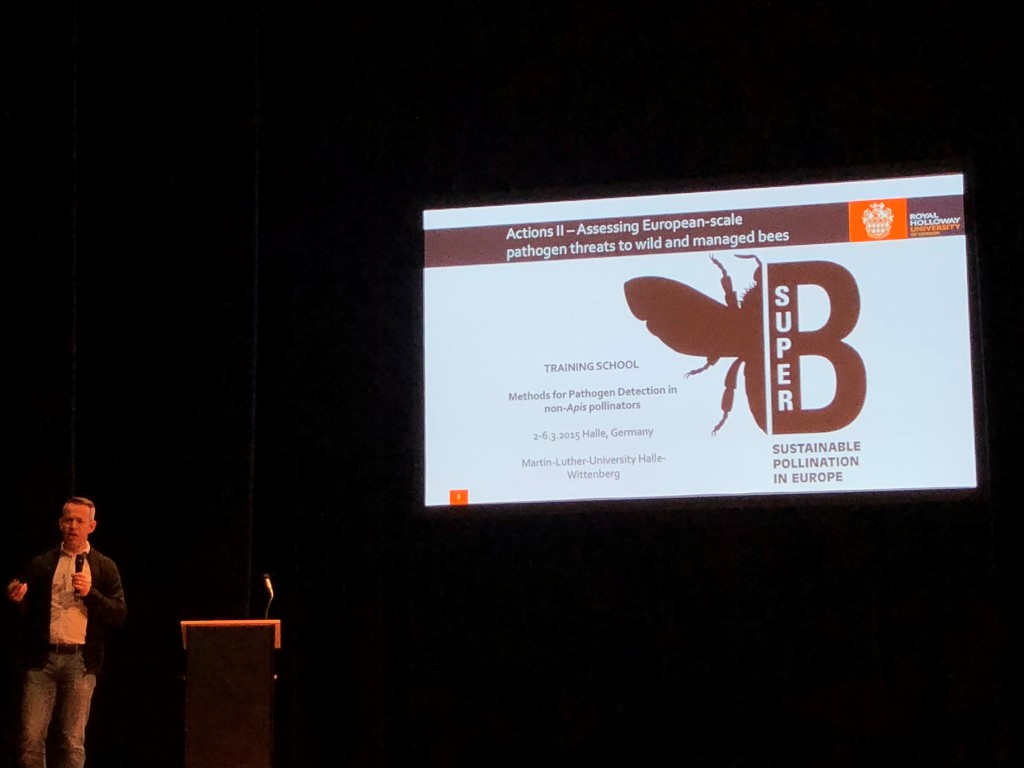

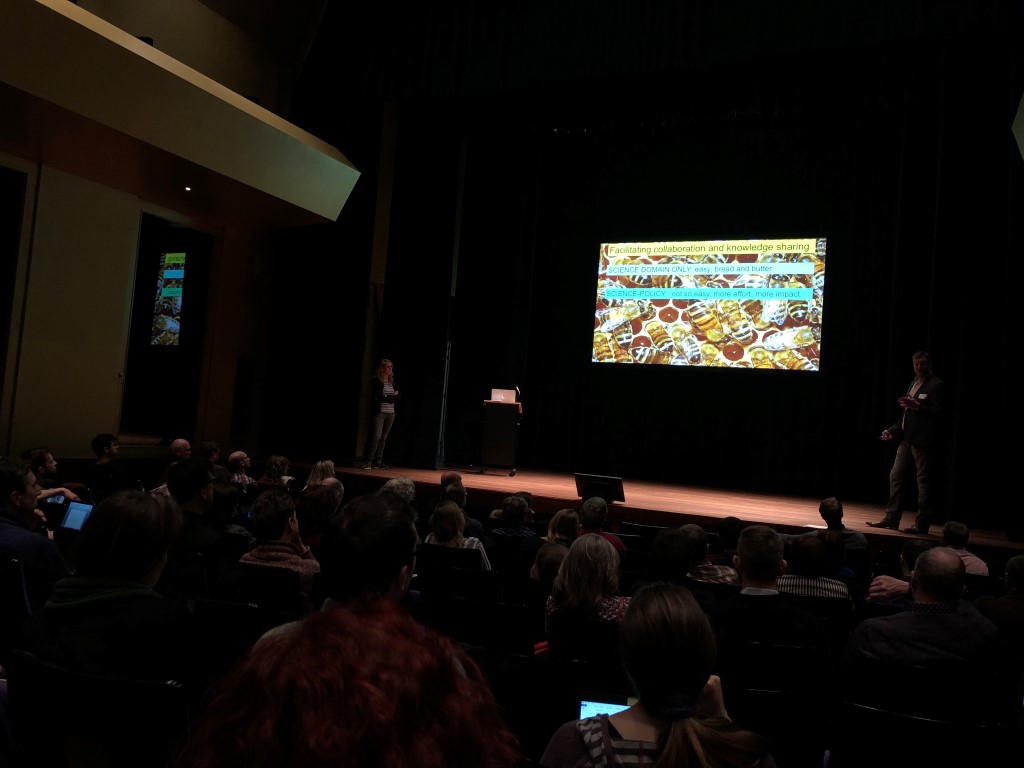
RTRS report, prepared by journalist Nikola Marić, published on 04.02.2018.
We are providing veterinarians and beekeepers with a document that was downloaded from the website of the Veterinary Office of Bosnia and Herzegovina (www.vet.gov.ba ) to inform them about the current status of registered preparations used in beekeeping.
The registration shows that only preparations intended for the control of varroa mites have been registered and that they are all based on thymol and thymol in combination with essential oils.
This range of medications, which is used to control Varroa destructor, is certainly not entirely satisfactory given the relatively small number of registered preparations compared to those used, e.g. in European Union countries.
We certainly need to work on registering a larger number of preparations, with different chemical formulations, with the aim of combating what remains the most difficult challenge of modern beekeeping as effectively as possible.
We draw your attention to the fact that the use of other drugs, so-called agrochemicals of various origins, which are not officially registered, i.e. approved by the competent authorities of Bosnia and Herzegovina, harmful both to bees and to beekeeping.
01.014.2016
You can download the registration document here
You can download the report as the final result of the Danube Region project “Bee-Biodiversity” here
Dear Sir/Madam,
Please fill out one of the two (or both) questionnaires provided in the script that is familiar to you (Cyrillic or Latin version).
By clicking on the marked link, you will access the questionnaire, in which you will receive more information about the questionnaire itself in the first part of the text.
• If you are a beekeeper, fill out the beekeeper questionnaire.
• If you are an agricultural producer (fruit grower or other), fill out the farmer questionnaire.
• If you are engaged in both activities, please fill out both questionnaires.
Questionnaire for beekeepers: The Cyrillic version of the questionnaire is available here.
The Cyrillic version of the questionnaire is available here.
Questionnaire for farmers:The Cyrillic version of the questionnaire is available here.
The Cyrillic version of the questionnaire is available here.
Dear all, please make a small effort so that Bosnia and Herzegovina has the results of the survey, which is conducted in the same way in more than 26 countries.
This project is being implemented in collaboration with Institute for Genetic Resources of the Republika Srpska.
Thank you for your cooperation - EUCOST FA 1307 Team
Report on participation in the annual meeting of COST Action, FA 1307_SUPER-B
Malta, from 4-6. 11. 2015
The report is submitted by Dr. Violeta Santrac
On the island of Malta, at the MCAST College location, for three working days, more than 70 participants from 26 countries worked on informing and planning activities that will provide the SUPER-B action with more quality connections and results related to the field of pollinator protection and the pollination system by the end of 2017.
Interesting, working groups, groups participating in the scope of the Project's activities are focused on connections between various stakeholders that form the backbone of the interest structures (stakeholder group) and relate to agronomists and farmers, agro-industry, food processing industry, EU agencies for food, agriculture and biodiversity, legislators at the national, European and international levels, non-governmental organizations for the protection of biodiversity, conservation of ecological systems, agriculture, organizations that launch activities with the "citizen scientist" initiative, public opinion, scientific research centers, faculties, companies in the pharmaceutical industry and plant health protection.
In a series of presentations and discussions, guidelines were reached for the continuation of specific activities that countries will undertake to arrive at indicative indicators of the current situation that document the status and trends in the need to protect domestic and wild pollinators.
For the purpose of comprehensive understanding of the issue (which is truly multidisciplinary), I took advantage of the opportunity to participate in the work of all working groups, as it was possible in time, in order to create a better insight into the interests of each area of work, early groups. Emphasis on the requirements for creating a map of pollinating species and dominant “crop” pollinators of cultivated species, creating and understanding a guide with legally based requirements for compulsory greening measures (CAP), focusing on planning and evaluating the effectiveness of specific measures applied to improve the source and selection of plant species in modern agriculture (e.g. flower carpets, planned planting, crop rotation models, etc.) as well as the need for media dissemination of the idea of the importance of pollinator protection.
In what I recognized as a realistically possible activity in BiH, I have identified two areas of activity for the next period on which it would be possible to work, as a team, and with the provided financial resources (which I hope will be obtained in the already submitted Competition of the MNT RS for participation in COST actions for 2015):
These questionnaires should be successfully finalized by March 2016, when their results will be submitted centrally to the Project database and from which, based on the results obtained, the following levels of actions in SUPER-B will likely arise.
*VIRSVB will certainly take part in this commitment. For cooperation with farmers who have various plantings of pollinator-dependent crops, we plan to distribute the questionnaire with the help of information from the production databases owned by the Ministry of Agriculture and Forestry and the Faculty of Agriculture in Banja Luka. On this occasion, in cooperation with the Faculty of Agriculture, we will strive to create a list and mapping of pollinator-dependent crops in BiH, as well as an analysis of pesticides used during the growing season of crops, with an analysis of the risk to pollinator health considering the toxic potential of the chemicals used.
Furthermore, the SUPER-B action will, through the existing work modules, enable those interested to participate in dedicated workshops or short scientific visits in accordance with the Action's propositions, which should certainly be used. Although there was an idea to apply for Bosnia and Herzegovina to be the host country for the WG and MC meetings next year, this year's application was directed towards SUPER-B being held as a satellite meeting with EURBBE, which will be held in Romania, Cluj in September 2016, for better international visibility. Important information about the action and its activities can be found at the link
http://www.superb-project.eu/, as well as Tweets by @SUPER_B_EU
A group photo of some of the participants at the rally in Malta:
 17. Dr. Violeta Santrac's work presented at the 44th Apimondia
Dr. Violeta Santrac, along with a group of authors, successfully presented the paper at the 44th Apimondia, which took place this year in South Korea. You can read the original summary of the paper below:
CLINICAL VETERINARY BACTERIOLOGY AS REFERENCE FOR FINDING PAENIBACILLUS LARVAE IN APIARIES
Violeta Santrac, Oliver Stevanovic, Sonja Nikolic, Drago N. Nedic
In work authors summarised results that shows presence Paenibacillus larvae, cause of American foulbrood, during the period from January 2014 till May 2015th on the territory of Republic of Srpska, Bosnia and Herzegovina, Europe.
Objective for this work was to determine geographical presence and prevalence of American foulbrood causalities in order to analyse data and use them as elements for future development and creation rational and applicable control programmes.
Presence was established in clinical and subclinical forms of American foulbrood infections from honey bee brood, honey, wax, and honey bee artificial feed formulations. Materials are treated in standard requirements based on ISO 17 025, with an accredited method.
1118 samples of bee brood and honey were examined, from which 261 samples (23,3%) where positive. That concerned 68 apiaries with positive findings. Besides, we examined two wax samples and 44 samples feed what makes on the end, total 1164 samples that were done.
Laboratory proof of presence Paenibacillus larvae in forms clinical also subclinical infections is step toward future work: first, a new Regulation for disease control, and second, no less significant need is strategic Ministry decision to continue good practice for finance this diagnostic approach.
Legal status for American foulbrood in B&H do not permits use antibiotics in disease control and also is known that there is no “vaccine protocol” for control reasons, remains fact that beekeepers as very significant group agricultural producers need assistance to way they need programmes that would efficiently protected their production. Authors will give details concerning epidemiological and control plans during the time of meeting presentation.
Key words: Paenibacillus larvae, American foulbrood, infection control
 As is now a tradition, this year too, a Hungarian beekeeper Otto Fritsch planted an acacia tree on Apimondia (Robinia pseudoacacia). Захваљујемо на дјелу, јер се још једном потвђује навод “Acta non verba”.
From June 30 to August 7, 2015, in collaboration with "FAO – TECA – Pčelarstvo Exchange Group" Apimondia, will host a discussion (in English) on the topic:
"Veterinary medicines in beekeeping worldwide".
The aim of the questionnaire and discussion is to gain a global insight into which active ingredients are used in beekeeping and whether they meet the needs of beekeepers. The debate will be moderated by Giovanni Formato, Head of the Laboratory for Bee Diseases at the Istituto Zooprofilatico Spermintale (Regional Institute for Animal Diseases) in Latium, Tuscany, (Italy). The research will contribute to increasing global knowledge about the use and needs of veterinary medicines worldwide. From such a comprehensive database, it will be possible to see what can still be improved in beekeeping with regard to the protection of bee health. This is a pioneering attempt to visualize beekeeping practices and the importance of bee diseases globally, for the first time connecting beekeepers around the world with the aim of optimizing beekeepers' needs in protecting bee health from the most important diseases.
 The author of the questionnaire and the participants in the discussion groups invite all beekeepers to cooperate.
https://teca.fao.org/user/9813/edit
This text on the VIRSVB Banja Luka page is for that purpose.
 TB 2014©
This time we draw attention to the RTRS Focus program “Bees mean life” by editor Tatjana Mizdrak, which highlights the importance of bees and other pollinating insects in maintaining biodiversity. The program was broadcast on July 15, 2015, and you can watch it here. here.
Dr Violeta Santrač, DVM
Dr Violeta Santrač, DVM
With this current text, we wanted to draw attention to our work in this area of bee pathogen diagnostics, and on another level, invite everyone interested in this type of diagnostics to contact us.
A few years ago, at various gatherings in Europe, there were announcements that the criticism, Crithidia mellificae protozoa, trypanosomes, could, alone or in cohabitation with some other bee pathogens, be the cause of losses in bee communities. In Halle in 2012, at the 5th European Conference, EURBEE, the work of a group of authors attracted attention: Diadant B. I Evans JD. Gauthier L. Neumann P with the title: "Chritidia mellificae is widespread in Europe and can be used as predictive marker of honeybee colony colony losses”. The authors stated in the paper that they (*even then) found it in bee colonies in the USA, but were unable to assess the pathogenic potential that this pathogen could have on the vitality of the bee colony. In different parts of Europe, in three-season sampling, Critidia were found in a larger number of samples: in Switzerland N 29, in France N 97, but the authors also stated the fact that in these colonies there was no “recognizable and characteristic clinical symptom”. The conclusion of this paper states that “Crithidia mellificae in the case of (vital) reasonably healthy communities it is more likely to cause losses, but in "In the case of weaker communities in which there is an intense infectious capacity, the role of this pathogen may play a significant role in the secondary infectious course, especially during the overwintering period of communities."
At the Veterinary Institute of the Republic of Srpska "Dr Vaso Butozan" Banja Luka, (VIRSVB), laboratory monitoring for the presence of protozoa, trypanosomids, Crithidia mellificae which is also literary named as Lotmaria passium in bee samples.
During regular diagnostic requirements for nosemosis, a portion of the material is examined under a dark field microscope and specifically looks for the presence of Crithidia mellificae. Diagnosis is simple even for the “trained eye”, the morphology with the typical way of movement of the trypanosome is a sufficient sign of the presence of infection with this parasite. In the case of a positive microscopic finding, it is possible to confirm the finding by growing it on liquid media, specially designed for this pathogen. The Institute currently does not have molecular (PCR) diagnostics for this pathogen, which is the most commonly used for evidence in bee colonies worldwide due to its specificity, sensitivity and robustness. Having laboratory capacity and knowledge of the basic microbiological requirements of this kinetoplastid, we wanted to determine the possible presence Crithidia mellificae and prevalence in the samples examined in apiaries of Republika Srpska and Bosnia and Herzegovina.
We conducted the first tests in 2014 in the “APINET” project. This year, during May, June, and July, on samples of healthy and dead bees that arrived at VIRSVB with various diagnostic requirements, we simultaneously performed microscopic examinations in the dark field at 200 X, with the aim of detecting Crithidia mellifica.
No matter how hard we tried to find the causative agent in our apiaries, because that would be important, we did not find the presence of this “pathogen” in all the samples tested. We will continue with further testing of the material in order, if nothing else, then at least with more certainty and statistical significance, to inform beekeepers and veterinarians about the status of this “new” pathogen in our apiaries.
In May 2015, I attended a training course within the “SUPER B” Project in Ghent, Belgium, a workshop on the application of mRNA technologies in the control of bee colony infections by various pathogens (viruses, varroa). On that occasion, while staying in the laboratory, I also had the opportunity to see the work on isolation and cultivation. Reference culture Crithidia mellifica as well as the method used in that laboratory for culturing and maintaining Critia helped us in our work at VIRSVB. In the conditions of our laboratory, we did an “optimization” of the culture medium Crithidia mellifica , took photographs of the causative agent, and videos of the typical movement of trypanosomids in pure culture, which we are making available on this occasion.
The experience in working with the reference culture of Critidium helped us to introduce more researchers from VIRSVB to the "new" pathogen and also to continue working towards the introduction and verification of a method for the detection of Critidium.
Видео материјал снимљен је у ВИРСВБ, телефоном, преко окулара микроскопа за микроскопију у тамном пољу, увеличање 200x, у количини капи од 10µл инокулума.
Figure 1 and 2. Microphotographs Crithidia mellifica


 12. Invitation to beekeepers to submit samples for the purpose of diagnosing and controlling American foulbrood of bee brood
Dear Sir/Madam,
We would like to inform you that in 2015, the Regulation on the conditions and manner of achieving financial incentives for the development of agriculture and villages "Official Gazette of the Republic of Serbia 26/15" was adopted, on the basis of which it is planned to allocate funds from the budget for the diagnostics of American bee brood rot. According to Article 20 of this Regulation, the state budget will co-finance the early diagnostics of American brood rot from honey in the amount of 20 KM and the diagnostics of American brood rot from brood samples in the amount of 11.50 KM.
American foulbrood is one of the most dangerous infectious diseases in beekeeping and is a priority for protecting the health of the bee community in the Republic of Srpska. An important segment in the fight against this disease is the interest of beekeepers to get involved in the processes of regular surveillance and control of this disease. It is generally recommended to actively implement preventive diagnostics of American foulbrood in our country and this is the method of choice in the process of active surveillance of bee diseases in the Republic of Srpska and Bosnia and Herzegovina. Currently, the Veterinary Institute of the Republic of Srpska "Dr Vaso Butozan" has accredited methods for diagnosing this disease. After the first year of surveillance (2014), where 1164 samples of honey, brood and wax were examined, preliminary data on the prevalence and spread of this disease in the Republic of Srpska were obtained. Initial data show a high level of presence of the causative agent of American foulbrood in samples originating from apiaries in our country.
Good beekeeping practice and veterinary practice in the apiary require regular monitoring of the status of this disease and the active participation of both veterinarians and beekeepers, which should be even more intensive in order to make disease control more effective.
The work plan in this area after the established diagnostic coverage is to publicly present preliminary data on the prevalence of American foulbrood in the territory of the Republic of Serbia with a clear zoning of the surveyed area, which will be of practical importance for beekeepers who transport hives or purchase new colonies.
Based on the results of active monitoring during 2014, a proposal for a new Regulation on the Control of American Foliar Rot will be formed, because as is known in epidemiology, only after accurate data on the prevalence and incidence of the disease are control, eradication and preventive measures formed.
Therefore, we once again invite interested and legally obligated beekeepers to join the diagnostic control program for American foulbrood this year. For all information in this area, please contact the competent authorities at the Veterinary Institute of the Republic of Srpska "Dr. Vaso Butozan" in Banja Luka.
You can find the PDF of the call here. You can find the PDF instructions for sampling here here
Responsible person: Dr. Violeta Santrac
Dear beekeepers,
This year is ahead of you too. QUESTIONNAIRE with which we want to find out the losses but also the vitality of bee communities in beekeeping in Bosnia and Herzegovina.
For just a little of your time spent completing this questionnaire, we will have valuable results that can be compared with those obtained across Europe and the world, given that the same questionnaire will be completed in many countries.
The aim of the questionnaire is to see what the losses are in beekeeping globally and whether there are any differences and how they arise considering the existing beekeeping conditions in each country? Since the quality of the results requires ensuring at least 5% of beekeepers who will complete the questionnaire, we ask that your completion of the questionnaire be part of our contribution to obtaining valuable information.
Every experience is important, and we all form part of the overall picture of the "beekeeping organism" just as bees form the community as a "social organism."
In order to make the questionnaire easier and more accessible to you, this year for the first time we have prepared it in the form of electronic completion. For those beekeepers who do not have access to this method of completing the questionnaire, we have made a printed form of the Questionnaire available.
We ask the Beekeepers' Associations to show how they have done more so that they too can prove themselves as functional parts of the activity.
We hope you will make an effort! Please complete the questionnaires no later than June 30, 2015.
We kindly ask you to make a little effort in filling out this questionnaire. great contribution collecting data that will be used to analyze the status of bee communities in Bosnia and Herzegovina.
On behalf of COLOSS.org, we thank all those who will respond in advance.
Thank You
Interesting scientific announcement: The news was announced on November 14, 2014, on the channel euronews.com (and uploaded as a video to YouTube)
A wound on a horse's leg could not be healed with all previous, conventional antibiotic treatments. That was the reason why the wound was treated with a new drug that contained 13 species of bacteria belonging to the large group of lactic acid bacteria (lactobacilli). They are usually found as normal flora in one part of the digestive system of a honey bee.
Watch the video:
EU COST Action: FA1307
http://www.cost.eu/COST_Actions/fa/Actions/FA1307
 The first meeting of the EU COST Action project was held in Rome on 4-5 November 2014. It will address the issue of preventing losses of wild and domestic pollinators in agricultural production over the next four years through various means of technical, expert and scientific cooperation between representatives of leading institutions in this field from a large number of participating countries (31 so far) from EU member states, third countries and all other countries that show interest in this activity.
Са циљем очување биодиверзитета, заштите опрашивача и система опрашивања инсектима, оптимизације дијела законодавства које регулише неке агротехничке поступке који угрожавају опстанак полинатора, представници земаља,биће заокупљени утврђивањем научних чињеница које ће требати евидентно потврдити хипотезу: да ли је услијед различитих утицаја на околиш, полинацијски систем глобално угрожен?
The presence of international organizations, FAO, IUCN, EU, NFU, industry representatives (Syngenta, Koopet, Bayer, Bio-Best) and representatives of various producer protection associations provide a broader scope of interest in this project.
The activity is carried out through the division of work into four interest groups that are defined as:
The main coordinator of the action is Prof. Kos Biesmeijer (Netherlands) and his deputy is Prof. Peter Neumann (Switzerland). The representatives of Bosnia and Herzegovina in the action FA1307 are Prof. Dr. Gordana Đurić and Dr. Violeta Santrac.
The task is to introduce a larger number of interested collaborators into the action who will collaborate in the project over the next four years and thus stimulate activities to better articulate this problem in Bosnia and Herzegovina, because as far as is known so far, in this area, except for losses in honey bees, there has been no officially published data on the threat to pollination in any agricultural branch that depends on this service.
Title of the meeting: "Super-B meeting". Meeting of working groups WG 1-WG 4
 Group photo of participants of the first conference FA1307. This was a very high-quality gathering, technically well prepared, with plenty of expert interactions and with defined directions of activity. It is clear how far some countries have gone in building “capacity” for activity in this area of environmental conservation.
A SuperB workshop is already planned for March 2015 in Brussels for representatives from countries that have an influence on the drafting of legislation in the scope covered by "Super B". Dr. Violeta Santrac
On 15.09. 2014, through communication with the EU Reference Laboratory for Bee Diseases, ANSES, we received an official notification from the European Commission about the appearance and detection of the pest, the Small Heave Beetle (SHB), for the first time on the territory of Italy, in the Calabria region. The Small Heave Beetle was detected  near the Gioa Tauro River, where in March 2014, "traps" of bee colonies were set up in order to control the possible entry of beetles, pests of the bee colony, which significantly complicate beekeeping in the territories of the countries where the infestation has been established. The usual and frequent transport of goods, especially by ship, plays a major role in the transmission of various pathogens of plant, animal and human diseases, and such methods of active surveillance of a territory have been in use for a long time. In this case, the "on-duty, guard nuclei" with bees were supposed to attract adult beetles, which would then settle in the bee colony. The predicted scenario occurred in September when local veterinarians suspected, and the reference laboratory for bee diseases at the IZS "Delle Venezie", the reference laboratory for bee diseases and parasites for Italy, morphologically confirmed the causative agent of ethiniosis. The infested nuclei were destroyed by fumigation and subsequently by freezing in order to finally destroy the parasite in them.
Following this confirmation of the outbreak, the prescribed control measures were implemented in all apiaries within a radius of 20 km. In the event that larvae or adults of the ethine were found in these apiaries, all apiaries in this zone would be destroyed. Immediately after the outbreak was reported to the European Commission, the EU reference laboratory for bee diseases, ANSES, sent its experts to the affected area to actively implement all measures to detect and destroy this, new to Europe, parasite of the bee community.
Although present in North America and Australia, echinosis has not managed to penetrate and remain in the territories of the European continent. An attempt to enter a Portuguese port in 2004 was successfully prevented, so we hope that the outbreak in the Gioia Tauro area will also be successfully controlled.
The causative agent of ethiniosis, Aethina tumida, is on the list of notifiable pathogens to the Organization for Animal Health (OIE), making the monitoring and control of this parasite globally accepted and mandatory.
While researching viral diseases of bees, I spent September 2006 at the USDA Bee Research Laboratory, Maryland, USA, where I had the opportunity to learn about experimental research on ethine. The project, in which researchers from Germany participated, was worth several million euros and aimed to determine biological, ecological, pathological and pharmacological facts that needed to be experimentally confirmed with the aim of a final result that would offer possibilities for pest control.
It was necessary to devise, produce and verify an effective means of controlling this pest, based on solid evidence from field and laboratory tests. Shortly after the completion of these months of testing, Bayer put on the market a specially designed and coumaphos-impregnated "tool" for combating ethiniosis, which is now used in apiaries attacked by these beetles. For me personally, entering specially designed underground laboratory spaces and specially constructed isolators with simulated conditions in the hive and in the apiary, provided insight into some parts of the experimental tasks (from feeding, reproduction, flight characteristics, environmental influences, ethiniosis population dynamics, development and behavior within the hive) and provided information on the need to control this pest. Numerous published works in this field have emerged from this research field and are important references today when talking about ethiniosis.

The small hive beetle, Etina, belongs to the order of Coleoptera. The parasite is a "kleptomaniac" or pest of bee colonies. The adults and larvae feed on bee brood, honey and pollen, causing the death of the brood, fermentation of honey and destruction of the hive bases, which most often results in the complete destruction of the brood and forced swarming of the bee colony. This pest is a serious problem in honey extraction and storage facilities. The development of this parasite lasts from 3-12 weeks, depending on the temperature and availability of food. The adults can fly and thus actively infect colonies.

An infestation with ethyne can be recognized directly by observing the damage caused in the hive, and by finding eggs, larvae, and adult forms of these parasites.
Early diagnosis can be obtained by opening the hive and finding adult beetles on the floor or inside the hive bases. Acaricides used inside or outside the hive can be used as a means to more effectively identify this pest.
The first sign of the presence of aphids is the finding of adult insects in the hive, which are 5mm long and 3mm wide, dark brown to black in color. During the inspection, the adults avoid open sunlight, hiding most often in the corners of the hive.
Adult forms can be mistaken for other members of the same beetle family, e.g. Cychramus luteus.
The eggs of the ethine are white and elongated-round, and are laid in clusters of sometimes more than 210 eggs per clutch. They are usually on the floor or inside the cells of the comb. The larvae are whitish, 1.2 cm in size, and have three pairs of legs and characteristic dorsal spines. The larvae are found in the hive or in hive debris.
The presence of larvae is also recognized by the "typical smell" of rot, and is also described as "smell rotten orange".
Migrating larvae leave their nest by crawling and burrowing into the ground. In these developmental stages, they are whitish, 5mm long and 3mm wide, and can be found in specially prepared underground spaces where their transformation into the adult form is completed.
Adult specimens of the bee can be found in the hive itself and in the hive's waste. Inspection of the hive begins by opening the roof, which is laid upside down on the ground next to the hive, the bodies are removed, the appendages are turned upside down over the roof for several minutes.
Неколико минута након тога могуће је видјети адулте како мигрирају покушавајући да се сакрију од директне сунчеве свјетлости. Понекад је потребно извући сваки појединачни рам да би се утврдило присутство ларви и адултних облика на њима.
Много лакши начин дијагностике етине је кориштењем „клопки“ које се постављају на подњачу кошнице у које се етине могу завући а да је пчелама тај простор недовољан за улазак. Да би се утврдило присуство одраслих облика, специјално дизајниране картонске хваталице величине 15x15cm стављају се на подњачу, остају тамо 3 дана, а онда се брзим извлачењем из њих пребројавају одрасли облици етине. Приликом овога могуће је користити картонске подлошке у које се импрегнира неки акарицид који опет оштећује овог корњаша.
Image 1. Control reference sample from VIRSV Banja Luka; BRL/Maryland-2006
The VIRSVB accredited the intruder proof method for a reasonIf you need proof of suspicion that ethyne may be found on the territory of Bosnia and Herzegovina, we are at your disposal.
Dr Violeta Santrač, DVM
Конгрес се у правилу организује сваке друге године, а има за циљ промоцију нових знања и достигнућа у области апикултуре како у научном тако и у стручном дијелу презентовања радова.
This year, the work entitled "Feeding sugar syrup and sugar candies with high levels of HMF (Hydroxymethylfurfural) is bad for honey bee vitality ” was included in the official program as a poster presentation, and the paper was published in a collection of short content.
The paper was intended to draw attention to the importance of quality control of bee food (cakes, syrups), for which there are currently no clearly prescribed and defined requirements in our country. An international group of authors (Violeta Santrac, Biljana Pećanac, Radivoje Maksimović, Zlatko Tomljanović, Dennis VanEngelsdorp), tried to present her own experiences and results in the paper and thus draw attention to the need for continued research in the field of bee nutrition and evidence of the substance HMF as a potentially harmful substance whose quantity in the product should be controlled and whose impact on the health and vitality of the community should be determined.
You can read the paper. here Download the PDF form here
The Veterinary Institute has long experience in controlling the health status of bees, as demonstrated by a professional article by Academician Dr. Vasa Butozan from 1937, in which he described a case of American bee brood rot.
The Veterinary Institute has remained consistent with the Academician's idea, striving to ensure that the control of this disease is actively implemented today in accordance with new scientific achievements.

Detailed instructions are available at the following link:
Sampling instructions
You can download the PDF electronic version of the brochure at the following link:
American bee brood rot
Good news for those who want to improve the vitality of bee communities. Namely, for the first time this year, the Ministry of Agriculture, Forestry and Water Management of the Republika Srpska has recognized the importance of preventive laboratory diagnostics of American bee brood rot caused by a bacterium Paenibacillus larvae
A new Regulation on the conditions and manner of obtaining financial incentives for the development of agriculture and rural areas was adopted, published in the Official Gazette of the Republic of Srpska, No. 24, dated 02.04.2014. Among other things, Article 21 states that the right to incentives for the implementation of laboratory diagnostic measures for particularly dangerous infectious animal diseases of special interest to the Republic has been realized. Of particular importance for beekeepers is the possibility of free diagnostics of American foulbrood, through two types of activities:
As an authorized, accredited laboratory of the Veterinary Institute of the Republika Srpska "Dr Vaso Butozan" Banja Luka, we are grateful for the decision of the Ministry that recognized the importance of active and preventive protection in the field of beekeeping, which we have been advocating for since 2010, in such a way that all diagnostic costs, in full and in a certain amount, are financed from the budget of the Republika Srpska.
Now, it is finally up to beekeepers to recognize the importance of this opportunity, and to wisely utilize it in the right way and the mutual benefit of good beekeeping and veterinary practices.
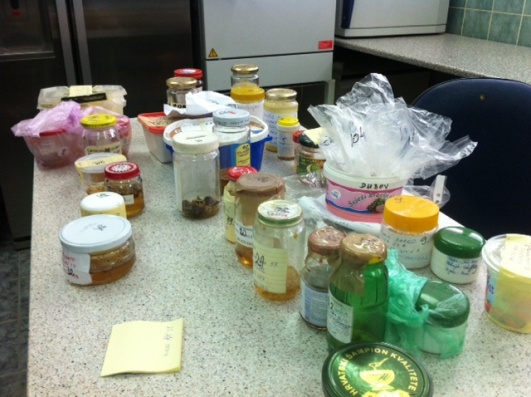
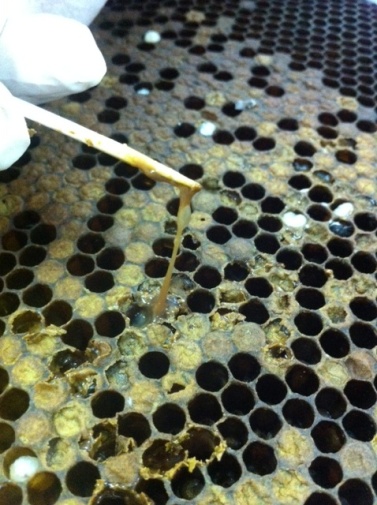
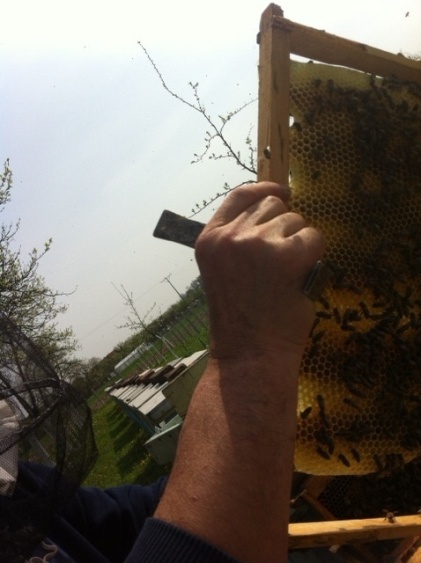
In order to achieve the requirements of the quality system in the diagnosis of bee diseases according to the requirements of the laboratory testing standard BAS EN ISI/IEC 17025, the Institute has accredited three diagnostic methods: American plague, nosemosis and ethiniosis.
The quality policy contained in the Institute's slogan "Quality before and above all" obliges us to constant progress and keep pace with international standards, which legitimizes the mission of the Institute as a national, public institution in this field as an authority and impartial guarantor of food safety and animal health in the Republika Srpska.
| R. no. | Subject of examination/Material/Product | Type of test/Measurement characteristic | Testing method (regulation, standard, instruction, validated method) |
| 1. | Bees, bee comb, honey, wax | Diagnosis of American Foulbrood | OIE Manual of Diagnostic Tests and Vaccines for Terrestrial Animals, 6th Edition, Volume 1 and 2, Paris, 2008. Chapter 2.2.2 |
| 2. | Bees | Diagnosis of bee nosemosis | OIE Manual of Diagnostic Tests and Vaccines for Terrestrial Animals, 6th Edition, Volume 1 and 2, Paris, 2008. Chapter 2.2.4. |
| 3. | Dијагностика Aethina tumida | OIE Manual of Diagnostic Tests and Vaccines for Terrestrial Animals, 6th Edition, Volume 1 and 2, Paris, 2008. Chapter 2.2.5. |
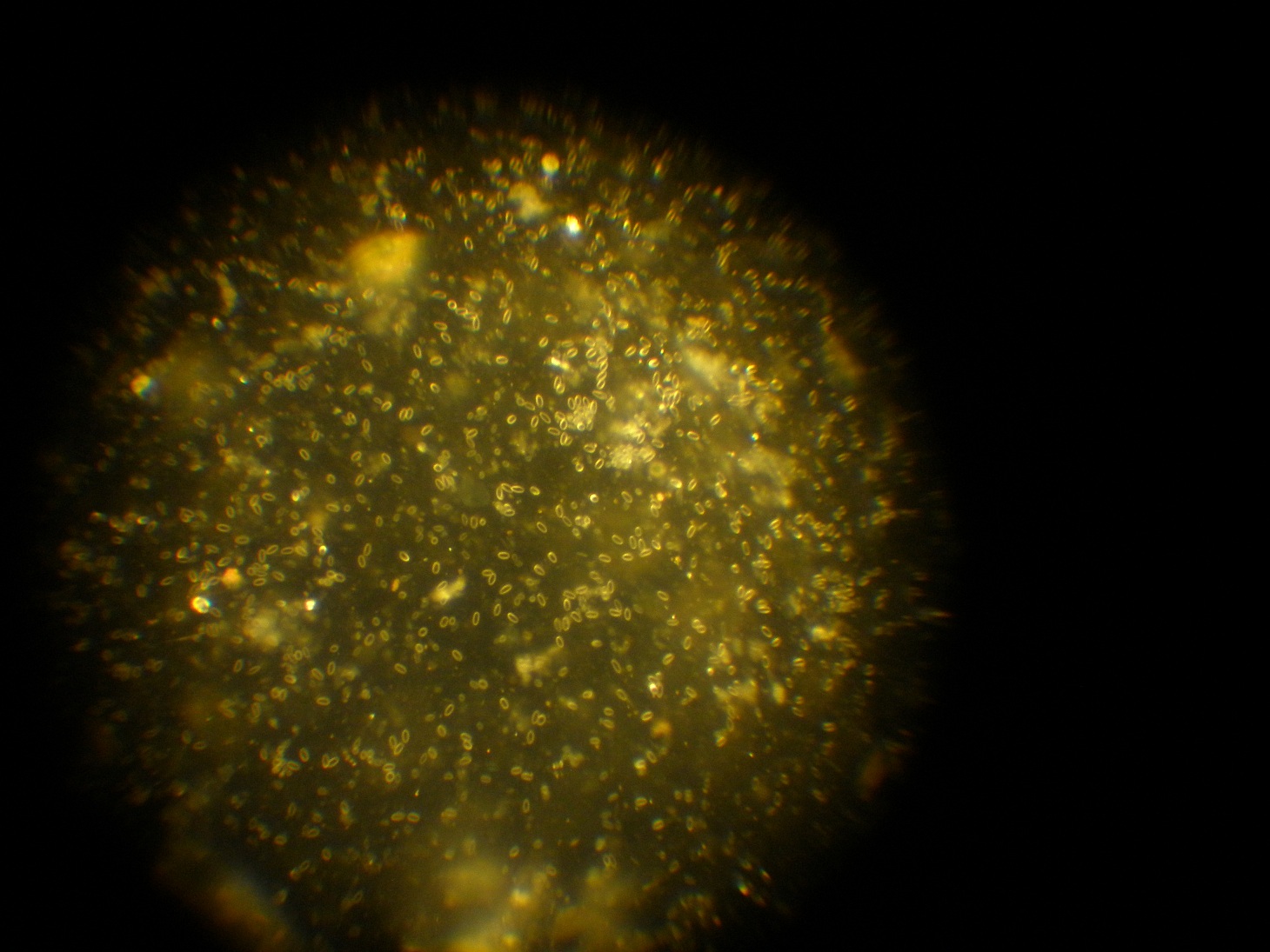
Nosema ceranae in a dark field
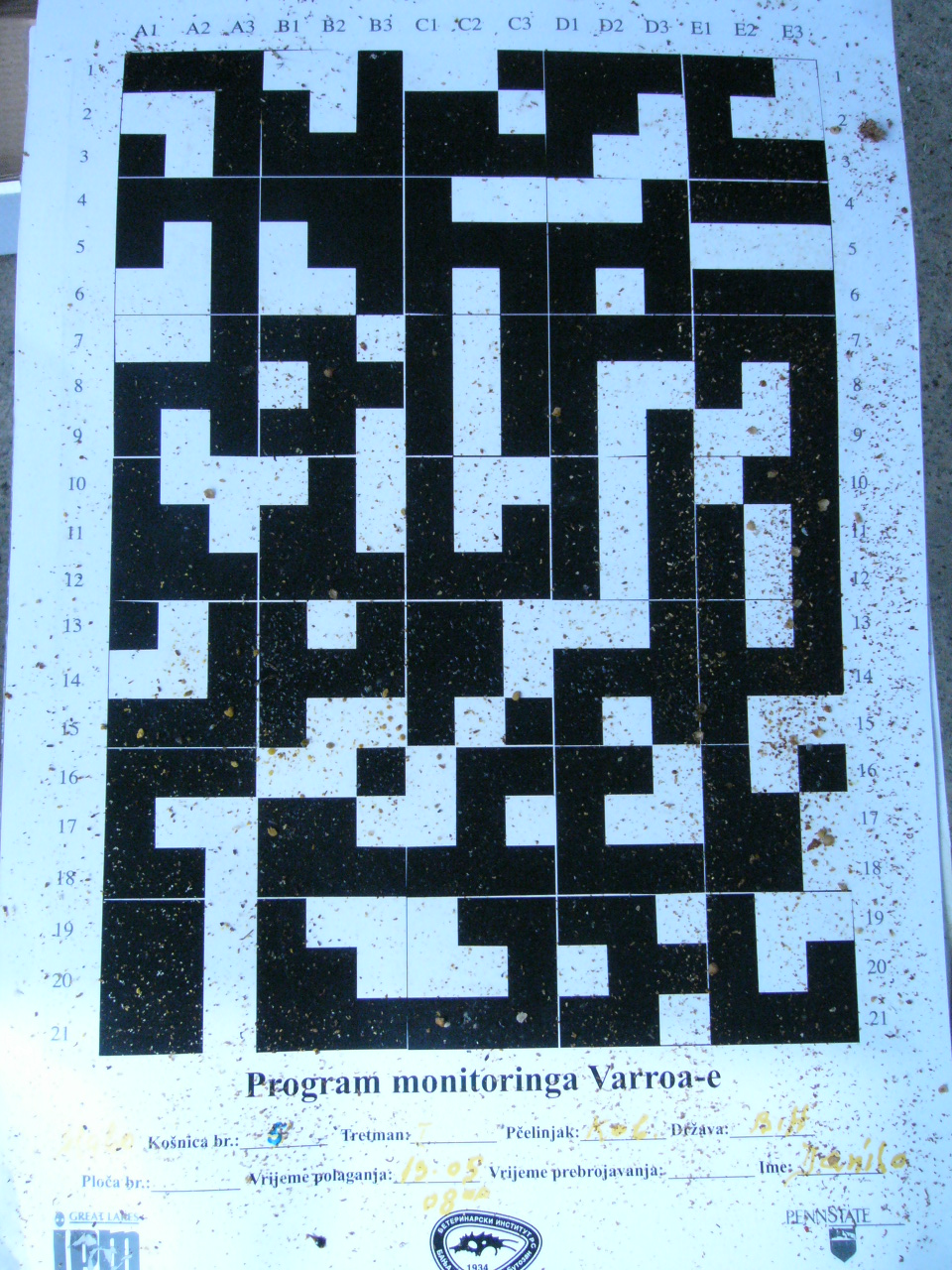
A specially designed map for counting daily Varroa fall